
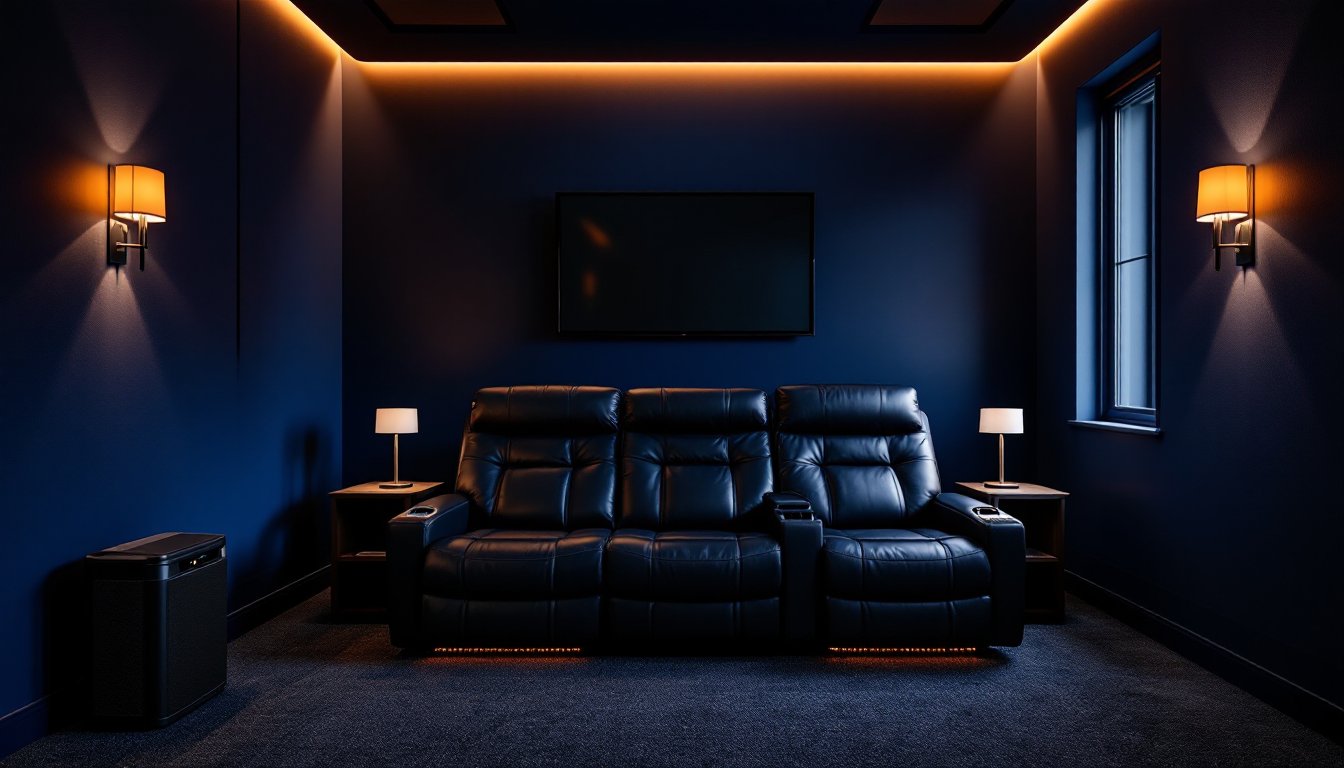
A three-seat home theater setup strikes the sweet spot for most homeowners: intimate enough for couples or small families, yet spacious enough to avoid cramped shoulders and awkward armrest wars. Whether you’re retrofitting a spare bedroom or building from scratch, getting 3-seat theater seating right means understanding room dimensions, material durability, and the specific comfort features that make long movie nights actually enjoyable rather than a test of endurance. This guide walks through everything you need to know to select, size, and install seating that works for your space and won’t leave your guests fidgeting within the first act.
Table of Contents
ToggleKey Takeaways
- Three-seat home theater seating offers the ideal balance between comfort and practicality, fitting standard room dimensions (12–16 feet wide) while avoiding the bulk of larger sectionals and the crampedness of loveseat alternatives.
- Proper viewing distance should be at least 1.5 times your screen’s diagonal width, and account for a footrest extension of 20–24 inches when fully reclined to avoid underestimating your room’s depth requirement.
- Choose durable materials strategically: microfiber and performance fabrics provide stain-resistance and longevity suitable for families with pets and kids, while leather offers elegance but requires regular maintenance and conditioning.
- Invest in solid frame construction and reliable reclining mechanisms rather than premium extras like heated seats or massage functions, which often fail first and cost hundreds to repair or replace.
- Confirm electrical outlets are within 6–8 feet of your seating location for motorized recliners, maintain 4–6 inches clearance from exterior walls for ventilation, and use furniture pads to protect flooring and enable future repositioning.
Why 3-Seat Theater Seating Is Perfect for Your Home
Three seats deliver practical benefits that larger configurations often miss. You avoid the sprawling footprint of a sectional without feeling cramped like a two-seater loveseat. With three seats, everyone gets their own defined space, no sharing armrests or fighting for legroom.
Three-seat configurations also fit standard room dimensions more naturally. Most basements, bonus rooms, and dedicated media spaces fall between 12 and 16 feet wide: a 3-seat recliner runs roughly 8–10 feet across, leaving breathing room for walls, side tables, or accent lighting. Structurally, you’re also distributing weight more evenly than a single massive sectional, which matters if you’re working with older subflooring or concrete slabs that can’t support concentrated loads.
From a renovation perspective, three-seat units are easier to move if you’re shopping for an upgrade down the road. Most single 3-seat recliners can be maneuvered through standard 36-inch doorways when tilted, whereas a five-seat sectional often requires disassembly or temporary wall removal. Budget-wise, you’re hitting the value sweet spot: more seating than a loveseat, without the premium price tag of a full sectional.
Sizing Your Home Theater Space for Three Seats
Before you order seating, measure twice and account for viewing distance, wall clearance, and traffic flow. Theater seating isn’t forgiving about cramped quarters, too close to the screen, and viewers get neck strain: too far back, and the image feels small.
Key Dimensions and Room Layout
For a three-seat layout, aim for a minimum viewing distance of 1.5 times your screen’s diagonal width. If you’re planning a 55-inch TV, that’s roughly 7 feet from the back of the seat to the screen (55 inches × 1.5 ÷ 12 = 6.875 feet). For a 65-inch display, target 8 feet: for 75 inches, about 9.5 feet. This spacing prevents eye strain and gives you that cinematic sightline.
Measure your room wall-to-wall width, depth, and ceiling height before buying. A typical 3-seat recliner is about 8–10 feet wide, 36–40 inches deep, and stands 40–42 inches tall when upright. You’ll need at least 12 inches of clearance on each side for armrest movement and passage. If you’re placing the seating against a wall, confirm the wall is clear of outlets, baseboards, or heating vents that recliners might block when extended.
Ceiling height matters more than many DIYers realize. Recliners lean back to about 165 degrees: if your ceiling is only 8 feet and your seat back sits 42 inches tall, you’ve got roughly 14 inches of headroom when reclined. Fine for most folks, but uncomfortable if someone’s 6’2″. Measure from the floor to any ceiling-mounted lights, beams, or ductwork in the seating area.
Account for the footrest extension as well. When fully reclined, a three-seat recliner footrest extends another 20–24 inches forward. Your total depth requirement isn’t just the seat itself, it’s the seat plus fully extended footrests. Many theater room failures come from under-estimating this depth, forcing constant adjustments or blocking walkways.
Choosing the Right Style and Material
Theater seating material comes down to durability, comfort, and honestly, how much popcorn butter you’re willing to scrub off. Genuine leather or bonded leather dominates theater showrooms, but microfiber and performance fabrics offer real advantages for family rooms.
Genuine leather breathes well and cleans easily (wipe with a damp cloth), but it costs more and requires conditioning to prevent cracking. It also shows dust, fingerprints, and pet hair unless you commit to regular maintenance. Genuine leather also isn’t ideal in very cold rooms, it stiffens and feels clammy.
Bonded leather (shredded leather scraps glued to a polyurethane base) looks and feels similar to genuine leather at half the price, but it has a shorter lifespan. Bonded leather can peel or flake after 5–7 years of regular use, especially near seams and armrests where people grip and lean.
Microfiber has made a real comeback for home theater. It’s soft, stain-resistant, and genuinely durable. Spills don’t soak in the way leather does: you blot and move on. Microfiber also holds up better in high-traffic family settings where pets and kids are part of the equation. The trade-off: it can feel less premium, and it shows dust if you don’t vacuum weekly.
Performance fabrics (often polyester blends designed for durability) were borrowed from outdoor furniture and have landed in theater seating. They’re tough against stains, rips, and fading, and they come in more color options than leather. Brands commonly use these in higher-end recliners because they justify a heftier price tag with years of guaranteed performance.
Consider also seating configuration options: manual recline (simple pull-handle, no power), power recline (electric motor, push-button adjustment), or hybrid (power recline with manual headrest). Power recline costs more upfront and adds electrical complexity, but it’s significantly easier if users have limited grip strength or mobility.
Arm type matters too. Fixed arms are budget-friendly and sturdy but limit legroom between seats. Storage arms (often in center seats) give you hidden compartments for remotes, candy, or blankets, useful in a three-seat setup where the center spot benefits from quick access. Cupholders aren’t fancy, but they reduce the number of spills near your seating. Test these features in person if possible: they feel very different once you’ve bought them.
Installation and Comfort Optimization
Getting seating in place is straightforward for most units, but the details make the difference between a showroom feel and a genuine comfort pit.
Flooring and underlayment come first. Theater seating is heavy, a three-seat recliner can weigh 400–600 pounds depending on mechanism and material. If you’re placing it on hardwood, carpet, or tile, consider furniture pads or felt sliders under all four feet to prevent scuffing, denting, and make future repositioning possible. On concrete subfloors, pads also help with moisture wicking if there’s any dampness creeping up from below (a common issue in basements).
Before final positioning, confirm your electrical outlet is within reach of the power cord if you’re using a motorized recliner. Theater seating power cords are typically 6–8 feet long: if your outlet is farther away, you’ll either need an extension cord (use a heavy-duty, properly grounded extension, not a cheap light-duty one) or hire an electrician to install a dedicated outlet closer to the seating location.
Ventilation and temperature affect both longevity and comfort. Leather and bonded leather benefit from air circulation to prevent moisture buildup and mildew, especially in basements or rooms without active HVAC. Position seating at least 4–6 inches away from exterior walls to allow air movement. If your room runs cool or damp, a small dehumidifier running during off-hours prevents funk and extends seat life.
For comfort optimization, lumbar support and headrest adjustability aren’t luxuries. Quality theater seats include lumbar pillows (foam-backed cushions that support lower back) or adjustable lumbar sections built into the backrest. Test these by sitting for 20–30 minutes, your back should feel supported, not pushed forward.
Headrest height matters if you’re 5’6″ or under, or 6’2″ or taller. A properly positioned headrest cradles your head and neck without forcing your chin to your chest. Many adjustable recliners let you angle the headrest independently, which is worth the extra cost if anyone in your household has neck sensitivity.
Seat cushion firmness is personal. Softer cushions feel luxurious for the first hour, then you sink and lose support. Firmer cushions maintain shape but feel stiff initially. A middle ground, medium-firm with a soft top layer, works for most mixed-age households. If you’re unsure, choose a seat with a removable, replaceable cushion topper: you can always add a memory foam cushion pad (1–2 inches) if the base feels too firm.
Budget Considerations and Where to Save
Theater seating ranges wildly: entry-level 3-seat recliners start around $800–$1,200, mid-range units land at $2,000–$4,000, and premium setups (with massage, heating, USB charging) push $6,000 and up. Knowing where to spend and where to compromise is key.
Spend on frame and mechanism. A solid hardwood frame and reliable reclining motor are worth the premium. Cheap frames warp, and budget motors fail within 2–3 years. If a unit feels wobbly when you sit and push back, walk away. Read reviews focused on long-term durability, not just initial comfort, many theater seats feel great in the showroom but develop squeaks or sag after a year of use.
Skip the fancy extras early. Heated seats, massage functions, and built-in USB ports are nice but often fail first and cost $200–$400 to repair or replace. If you’re on a tight budget, buy a solid base seat and add a heating blanket or external charging station for a fraction of the cost.
Material savings matter, but not where it counts. Microfiber or performance fabric costs less than leather but often lasts just as long in a home theater environment. If you’re primarily seating adults without pets, this is a smart downgrade. But if pets or kids will use the seating, the stain-resistance of microfiber or premium fabric genuinely saves money in cleaning and repairs over time.
Buy from retailers offering floor models or returns. You avoid unknown variables, and floor models often come with 10–20% discounts. Some furniture stores will also deliver and position seating for a reasonable fee ($150–$300), which beats struggling to maneuver 500 pounds through tight doorways.
Measure one more time before buying. Returning or exchanging seating is costly in shipping and restocking fees. Confirm your doorways, hallways, and final spot accommodate the unit’s delivered dimensions (it ships in a box often larger than the assembled chair). A $50 tape measure now saves hundreds in returns later.
Pricing also varies seasonally. Presidents’ Day, Memorial Day, Labor Day, and Black Friday typically bring 15–25% discounts at major retailers. If you’re flexible on timing, waiting for a sale is smarter than rushing into full-price purchase.
Conclusion
Three-seat home theater seating hits a practical balance: enough room for comfort without overwhelming your space, and flexible enough to upgrade or relocate if your needs change. Smart material choice, accurate room measurements, and attention to small details like clearance and electrical positioning turn a functional seat into a genuinely enjoyable investment. Research product reviews and handle units in person when possible. Don’t let flashy extras distract from solid construction and honest comfort. A well-chosen three-seat setup pays dividends every time you settle in for a movie night.