
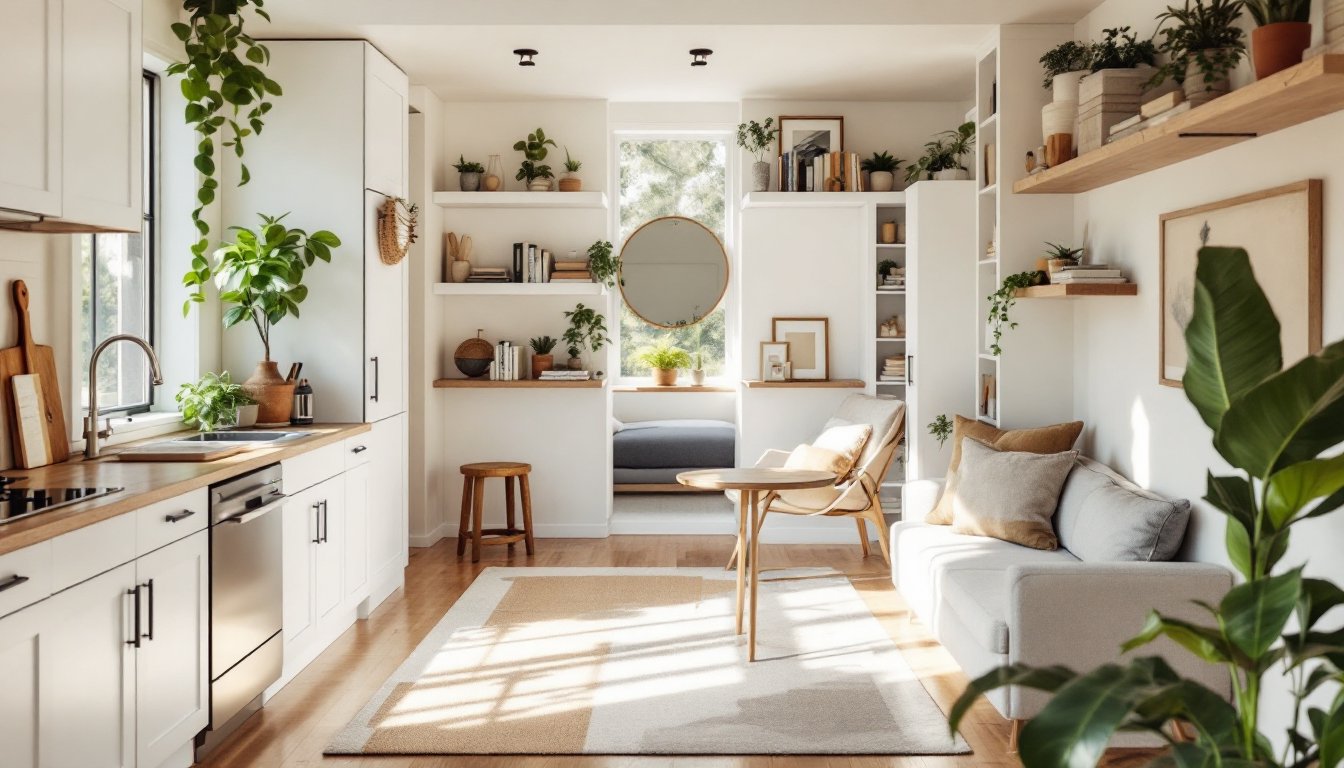
A 500 square foot tiny home might sound cramped at first glance, but it’s quickly becoming the sweet spot for people who want to ditch excessive square footage, reduce maintenance headaches, and simplify their lives. Unlike smaller micro-apartments that feel like closets, a 500 sq ft space offers enough room to breathe while still maintaining a genuine sense of home. Whether you’re planning a new build, renovating an existing small property, or just curious about efficient living, understanding how to maximize every inch makes all the difference. The right design moves turn what could feel tight into a space that actually works harder than a traditional home twice its size.
Table of Contents
ToggleKey Takeaways
- A 500 sq ft tiny home strikes the perfect balance between comfort and affordability, offering enough space for genuine living while keeping mortgage, property taxes, and utility costs significantly lower than traditional homes.
- Visual clarity and open layouts are essential—use neutral color palettes, avoid heavy window treatments, and keep sightlines open to make a 500 sq ft space feel larger and more functional.
- Vertical storage, dual-purpose furniture, and strategic zoning create distinct areas without walls, allowing 500 square feet to accommodate multiple activities without feeling cramped or chaotic.
- Multi-functional rooms and flexible furniture—like murphy beds, fold-down desks, and dining tables with leaves—enable a compact space to adapt to changing needs throughout the day.
- Intentional design moves like mirrors, soft lighting, and strategic door placement amplify natural light and psychological space, transforming a 500 sq ft tiny home into a space that works harder than much larger homes.
Why 500 Square Feet Is The Sweet Spot For Tiny Living
Five hundred square feet sits at a unique intersection: large enough for genuine comfort, small enough to heat, cool, and maintain affordably. A typical one-bedroom apartment runs 450–550 sq ft, so you’re working with familiar dimensions that don’t feel alien. Mortgage payments stay manageable, property taxes drop significantly, and utility bills become almost an afterthought compared to a 2,000 sq ft house.
Most people find 500 sq ft works well for one person or a couple without young children. You have room for a genuine living area separate from sleeping quarters, a functional kitchen, and storage that doesn’t require constant purging. The scale also forces intentional purchasing, no space for impulse buys or duplicate tools. That’s not deprivation: it’s clarity.
Essential Design Principles For 500 Sq Ft Spaces
Three core principles guide efficient tiny home design: eliminate visual clutter, maximize vertical storage, and plan for actual flow between zones.
Visual clarity matters enormously in small spaces. Too many colors, patterns, and competing textures make 500 sq ft feel chaotic in minutes. Stick to a restrained palette, typically a neutral base with two accent colors maximum. Avoid heavy window treatments that block light: use simple roller shades or clear glass panels instead. Keep sight lines open by positioning furniture away from walls rather than pushing everything to the perimeter.
Vertical storage is non-negotiable. Floor space is premium real estate, so build upward. Floating shelves, tall cabinets that reach the ceiling, and wall-mounted racks keep daily items accessible without consuming precious square footage. A single floating desk can serve as workspace, dining surface, and storage in one compact footprint.
Zoning prevents the “one big box” feeling that plagues tiny homes. Define spaces using area rugs, partial walls, or furniture placement rather than full barriers. A bookshelf can separate the bedroom from living area without blocking light or air flow.
Maximizing Storage In A Compact Footprint
Storage is where tiny homes either thrive or fail. Under-bed containers, vertical wall systems, and dual-purpose furniture are standard moves. Built-in cabinets around doorways and odd corners capture dead space most people ignore. Corner shelving units fit awkward angles that remain useless otherwise.
Kitchen storage requires ruthlessness: magnetic spice strips instead of a spice rack, wall-mounted pot racks, and narrow pull-out pantries between studs. Bathroom storage uses vertical medicine cabinets, over-toilet shelving, and wall-mounted towel bars rather than floor-sitting racks. A linen closet in 500 sq ft should be half the size of a traditional home closet, you’re not storing excess anyway.
Investment pieces like rolling islands with built-in storage, murphy desks that fold away, and ottomans with hidden compartments do double duty without looking gimmicky.
Open Layouts That Create The Illusion Of Space
The most effective 500 sq ft homes combine an open living-dining-kitchen area with clearly defined sleeping and work zones. Open floor plans eliminate wasted hallway square footage and let light travel freely.
When kitchen, dining, and living areas flow together, 500 sq ft instantly feels larger than its actual dimension. The key is defining zones without hard walls. A kitchen island with seating serves as a visual divider, dining surface, and storage simultaneously. A slightly raised platform (even 4–6 inches on a subfloor) creates psychological separation between living and sleeping areas without requiring lumber and drywall.
Light plays a starring role. Large windows facing the yard maximize natural daylight, which makes compact spaces feel more open. If windows are limited, paint walls a soft, neutral tone and use reflective surfaces (polished concrete, light wood) to bounce light around. Designers at resources like modern living and home design ideas consistently recommend these principles for small-space living.
Mirrors create visual depth, place one opposite a window to amplify natural light. Avoid dark colors on walls and ceilings, which compress the space visually. Ceiling height perception matters too: paint ceilings white or the same light color as walls, and use vertical architectural elements like tall shelving to draw the eye upward.
Door placement affects flow significantly. If possible, doors should swing toward dead space, not into the middle of the room. Pocket doors save swing clearance. Removing non-load-bearing partition walls between kitchen and living areas opens sightlines dramatically, though you’ll want to confirm with a structural engineer or architect before cutting into walls.
Furniture Selection And Space-Saving Hacks
Furniture is the skeleton of any space. In 500 sq ft, every piece earns its keep through function or looks, rarely both alone. Oversized couches, sprawling sectionals, and solid wood tables devour floor space without adding genuine utility.
Choose modular or platform seating that sits closer to the floor (visually shrinking it), and consider a compact loveseat or apartment sofa instead of a full sectional. A simple dining table with leaves expands for guests and collapses to a small console most days. Wall-mounted fold-down desks or murphy beds reclaim the floor when not in use.
A coffee table should have open legs and a glass or light wood top, solid-based furniture feels heavier visually. Storage ottomans replace traditional tables and provide hidden space for blankets, books, or off-season items. Floating nightstands instead of full bed frames save floor area and create an airy feel.
Organization is the difference between cluttered and curated. Matching storage bins, labels, and a strict “one in, one out” rule keep things from spiraling. Real Simple’s organization tips offer practical decluttering strategies that work well for tiny homes.
Small design moves compound: hooks instead of hangers for daily items, pull-out sliding storage in narrow spaces, and magnetic strips on walls for tools or spices. A pegboard in the entryway corrals keys, bags, and small items rather than scattering them across surfaces. These aren’t radical hacks, they’re standard operating procedure in efficient tiny homes.
Multi-Functional Rooms And Zoning Strategies
The 500 sq ft home thrives when rooms wear multiple hats. A bedroom becomes a home office during work hours with a slim desk tucked into one corner and a curtain rod hanging from the ceiling to separate the sleep area during video calls. The dining table converts to a craft surface or workspace in minutes.
Zoning without walls uses area rugs, partial shelving units, or subtle level changes to psychologically separate functions. A rug defines the living area, another marks the sleeping zone, creating distinction in an open floor plan. This approach maintains sightlines and light flow while giving each area its own identity.
Lighting zoning matters equally, different fixtures for different times and purposes. Overhead ambient light illuminates the whole space, task lighting brightens work surfaces, and accent lighting creates mood. Smart bulbs let you adjust color temperature throughout the day, which supports both productivity in work zones and relaxation in living areas.
Nooks and alcoves become premium real estate. A window seat with cushions and storage drawers underneath becomes guest seating, extra sleeping surface, and storage. An empty corner transforms into a reading nook with a single chair and bookshelf. Experts at small space living ideas explore these strategies regularly, proving that layered functionality doesn’t compromise comfort.
The critical skill is flexibility: furniture that moves, walls that can be temporary, and systems that adapt to changing needs. A young professional’s 500 sq ft space evolves differently than a retired couple’s, but both benefit from thoughtful multi-use design.
Conclusion
Building or renovating a 500 sq ft tiny home demands intentional design, but the payoff is substantial: lower costs, minimal maintenance, and a home that genuinely fits how people actually live. The key is respecting the constraints and designing around them rather than fighting them. Storage planned upfront, open layouts with clear zoning, and multi-functional furniture create a space that doesn’t just work, it thrives. Start with these principles, adapt them to your specific needs, and you’ll find that 500 square feet offers surprising freedom, not limitation.