
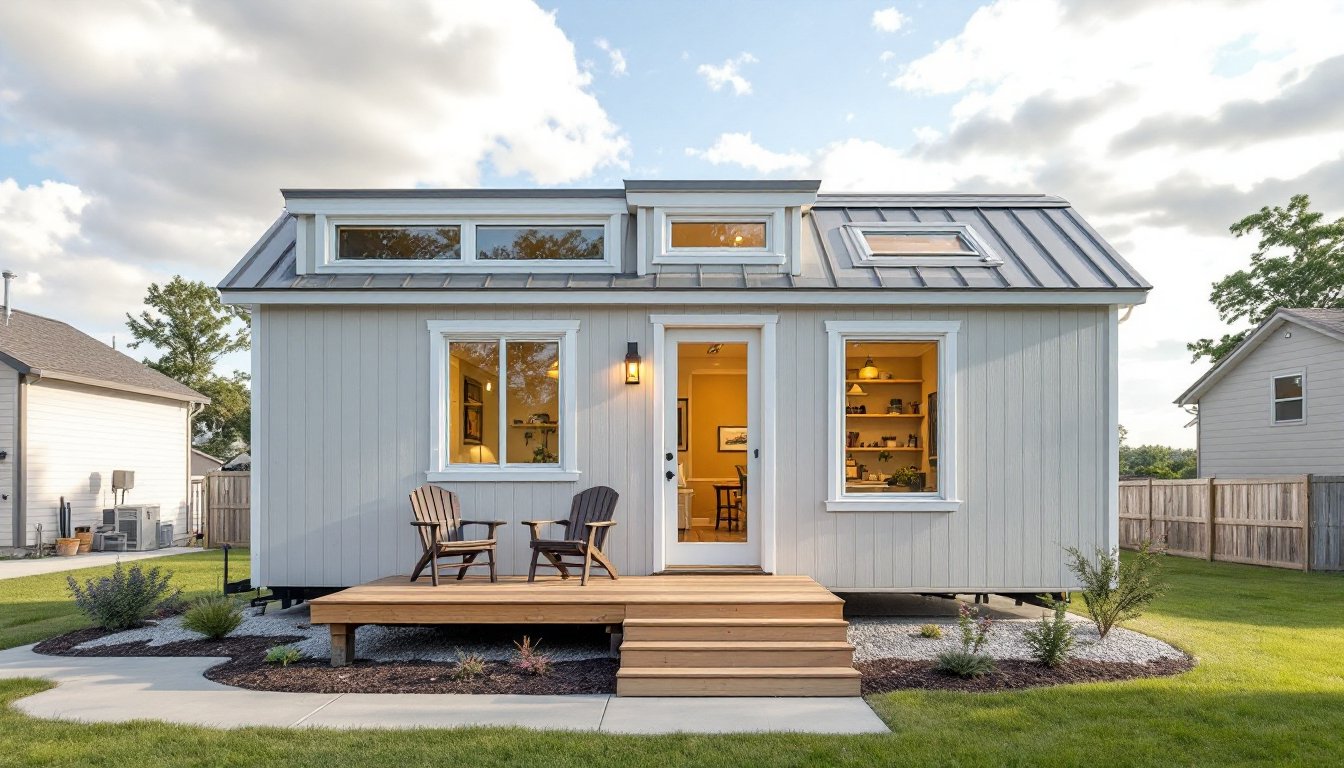
A 12×20 tiny home offers 240 square feet of living space, tight enough to heat and cool efficiently, yet spacious enough for real comfort when designed thoughtfully. Whether you’re building for yourself, a guest cottage, or an investment property, this footprint strikes a practical balance between affordability and livability. It’s small enough to keep construction and utility costs reasonable, but large enough to avoid the claustrophobic feel of a true micro-dwelling. The challenge isn’t the size: it’s the planning. Every inch counts, from how you orient the floor plan to where you position windows and appliances. This guide walks you through the essentials of designing, building, and outfitting a 12×20 tiny home that actually works for daily living.
Table of Contents
ToggleKey Takeaways
- A 12×20 tiny home delivers 190–200 square feet of usable living space at $125–$330 per square foot, making it an affordable alternative to standard housing without sacrificing comfort or functionality.
- Multi-functional furniture, vertical storage, and built-in features are essential for a 12×20 tiny home to feel spacious—prioritize wall-mounted shelves, murphy beds, and storage benches over freestanding pieces.
- Smart design choices like 9-foot ceiling heights, light wall colors, continuous flooring, and strategic window placement maximize the perception of space in your 12×20 home.
- Check local zoning laws early: some jurisdictions restrict tiny homes to trailer frames or accessory dwelling units (ADUs), while others ban structures under 600 square feet on permanent foundations.
- Double-pane low-E windows, proper insulation (R-19 walls, R-38 to R-49 roof), and mini-split heat pumps are critical for energy efficiency in a 12×20 tiny home where heat loss happens rapidly.
- Align your 12×20 layout with your lifestyle—dedicate zones for remote work, secure toy storage for families, or a separate sleeping alcove for couples—and honestly assess storage needs to avoid clutter or wasted space.
Understanding The 12×20 Tiny Home Layout
Space Distribution And Floor Plan Essentials
A 12×20 footprint gives you roughly 240 usable square feet before accounting for walls, which eat roughly 40–50 square feet. That leaves 190–200 square feet of actual living space, or about three standard bedrooms’ worth of area, compressed into one multipurpose residence.
The most common approach divides the space into three zones: sleeping, living/kitchen, and bathroom. A sleeping alcove or lofted bed claims 80–100 square feet, freeing the main floor for multipurpose living. A combined kitchen and living area takes up 100–120 square feet, and a full bathroom requires 35–45 square feet (smaller if you go for a corner toilet and narrow shower).
Orientation matters. A 12-foot width works well running east-west, allowing north and south walls to capture natural light from two sides. The 20-foot depth gives you room to create distinct zones without feeling cramped. Position the kitchen along one long wall (west or east), the living area in the center, and a sleeping loft or bedroom alcove at the far end. This linear flow prevents the feeling of living inside a hallway.
Measure door swings early. A standard exterior door is 36 inches wide: interior doors typically 32 inches. In tight spaces, pocket doors or bifolds save 18–24 inches of swing clearance compared to a traditional hinged door. Bathroom doors can be 28 inches if local building codes allow, saving valuable floor space.
Higher ceilings feel larger. If building new, a 9-foot ceiling height in the main living area (versus a standard 8 feet) makes 240 square feet feel noticeably more open. Vaulted or cathedral ceilings over the living zone cost more to frame and insulate, but they’re worth considering if budget allows.
Design Strategies For Compact Living
Multi-Functional Furniture And Storage Solutions
Furniture choice determines whether a 12×20 home feels cramped or comfortable. Every piece must serve at least two functions. A storage bench at the foot of the bed doubles as seating and hides winter gear. A kitchen island with seating on one side and open shelving on the other provides prep space, dining seating, and visible storage in one compact unit.
Vertical storage wins over floor-based cabinets. Wall-mounted shelves, tall narrow bookcases, and pegboards use ceiling height to your advantage, keeping floor space clear and sightlines open. Install shelving 12 inches below the ceiling in kitchens and living areas: that remaining gap feels less cluttered than filling every wall.
Resources like Apartment Therapy document real small-space layouts that prove how smart furniture placement transforms perception. A murphy bed or lofted sleeping platform, combined with daytime seating below, consolidates the bedroom function into 80–100 square feet instead of consuming a separate room.
Built-in features trump freestanding pieces. A built-in desk, bench seating with hidden storage beneath, or a galley kitchen with lower and upper cabinets cost more upfront but eliminate the wasted floor space that legs on furniture create. Under-stair storage is invaluable if you have a loft entry, use those recessed square feet for a water heater, electrical panel, or tool storage.
Color and materials amplify space. Light walls (whites, soft grays, pale blues) reflect light and feel more open than dark tones. Continuous flooring, the same material throughout living, kitchen, and hallway, visually expands the footprint. Avoid small-scale patterns: large tiles or continuous wood planks feel more spacious than checkerboard layouts.
Decluttering isn’t optional. Real Simple’s guidance on organization emphasizes that tiny homes require intentional living. Without deliberate storage systems and a mindset of “one in, one out,” 240 square feet becomes a cramped storeroom. Built-in cubbies, wall-mounted hooks, and labeled bins prevent visual chaos.
Cost Breakdown And Budget Planning
A 12×20 tiny home costs $30,000–$80,000 to build new, depending on finish level, location, and whether you’re working with a concrete foundation or a trailer frame. That translates to $125–$330 per square foot, significantly less than the $100–$200 per square foot for a standard house.
Breakdown of typical costs (as a percentage of total construction budget):
- Foundation or frame: 15–20% ($4,500–$16,000)
- Framing, sheathing, and roof: 20–25% ($6,000–$20,000)
- Mechanical (HVAC, plumbing, electrical): 20–25% ($6,000–$20,000)
- Interior finishes (drywall, flooring, paint): 15–20% ($4,500–$16,000)
- Kitchen and bathroom fixtures: 10–15% ($3,000–$12,000)
- Doors, windows, and exterior finish: 10–15% ($3,000–$12,000)
Foundation type drives costs. A concrete slab on compacted gravel costs $3,000–$5,000 and works well in stable soil. A timber frame on concrete piers runs $5,000–$8,000 but allows for ventilation underneath and easier utility access. Mobile-home-style axle frames cost $2,000–$4,000 if mobility is part of your plan.
Mechanical systems scale down. A mini-split heat pump (ductless) costs $3,000–$5,000 installed and heats or cools 240 square feet efficiently. A traditional furnace and air handler would be overkill and wasteful. An on-demand (tankless) water heater saves space and energy compared to a 40-gallon tank.
Permits, inspections, and site prep vary wildly by jurisdiction. Budget an additional $2,000–$5,000 for permits, engineering stamps, and lot preparation (grading, utility connections). Some regions treat tiny homes as accessory dwelling units (ADUs) with lower fees: others classify them as full residences and charge accordingly.
Labor versus DIY affects the bottom line. Hiring contractors at $50–$150 per hour adds 40–50% to material costs. DIYers who handle framing, drywall, painting, and finish carpentry can cut total cost by $8,000–$20,000, provided they have the skills and time.
Building And Construction Considerations
Before breaking ground, confirm that tiny homes are legal in your jurisdiction. Some municipalities ban structures under 600 square feet on permanent foundations. Others allow them as ADUs (accessory dwelling units) only on properties with a primary residence. Still others require them to be on trailer frames and classified as RVs. Check with your local building department and planning office first.
Building codes apply even to tiny homes. The International Residential Code (IRC) sets minimums for ceiling height (7 feet 6 inches in habitable rooms, 7 feet in kitchens), egress windows in bedrooms (minimum 5.7 square feet operable), bathroom clearances (21 inches minimum in front of a toilet), and electrical outlet spacing (no point more than 6 feet from an outlet in any room). These codes exist for safety and resale value: don’t cut corners on them.
Framing a 12×20 structure uses roughly 2,500–3,000 board feet of 2×4 lumber (the nominal measurement: actual dimensions are 1.5″ × 3.5″). Stud spacing at 16 inches on center (OC) is standard for non-load-bearing walls: load-bearing walls (those directly below floor joists or the roof) may require studs at 12 inches OC depending on snow load and design wind speeds in your region.
Roofing pitch affects usable space and weather resistance. A 4:12 pitch (4 inches of rise per 12 inches of run) sheds water reliably and allows for a 9-foot loft ceiling in a 12×20 frame. A steeper 6:12 or 8:12 pitch costs more in materials and labor but provides better snow shedding in cold climates and opens up attic space for insulation.
Insulation is critical in a small footprint where heat loss happens fast. R-19 in walls (6-inch fiberglass or cellulose batts), R-38 to R-49 in the roof, and R-10 minimum under the floor meet code in most regions. In cold climates, aim for R-49 or higher in the roof and consider spray foam (closed-cell) on rim joists to eliminate air leaks. The ratio of surface area to volume in a small home means thermal bridging through studs and joists costs you 15–20% of heating and cooling efficiency if not addressed.
Windows and doors account for 10–15% of heat loss. Specify double-pane, low-E glazing with insulated frames (vinyl or fiberglass, not aluminum). Limit window-to-wall ratio to 25–30% on the north side, but maximize south-facing glass in cold climates for passive solar gain.
Design for permitting from the start. Hire a designer or architect experienced with tiny homes: their $500–$2,000 fee pays for itself by avoiding code conflicts and securing approval faster. Structural engineers may be required by your jurisdiction: budget $500–$1,500 for engineered plans. If working with Houzz, browse completed tiny home projects in your state to see what local reviewers and designers have built successfully.
Making Your 12×20 Tiny Home Work For Your Lifestyle
A 12×20 home works best when its layout aligns with how you actually live. Remote workers need a dedicated desk area with good light and a door to close during calls. Families with young children need secure toy storage and clear sightlines from the living area to a sleeping loft. Couples may prioritize privacy through a separate bedroom or sleeping alcove with a pocket door.
Think about your daily rhythms. If you cook elaborate meals, a 10-foot galley with a gas range and island counter is worth the cost. If you’re minimalist and heat frozen dinners, a 24-inch range and compact counter save space and money. If you work from home, position a desk near a window for daylight and away from the living area’s TV or social zones.
Storage must match what you actually own. A single person traveling half the year needs 20 square feet of closet and shelving. A couple with a car, tools, and seasonal gear needs 40–50 square feet. Oversizing storage wastes precious living space: undersizing means clutter overflows. Be honest about your stuff before you design cabinets.
Utilities influence comfort and cost. Mini-split heat pumps are quieter and more efficient than window units or baseboard heaters, but they require professional installation ($3,000–$5,000). Radiant floor heating under the slab is luxurious but adds $2,000–$4,000. A simple baseboard heater costs $500–$1,000 installed and works fine in mild climates. An on-demand water heater cuts monthly energy bills by 20–30% compared to tank storage.
Outdoor space extends living area psychologically. A small porch (4×8 feet), deck, or patio gives you a place to sit outside without leaving your property. If building on your own lot, position the home to maximize views and outdoor access.
Resale and adaptability matter long-term. A 12×20 with flexible sleeping (loft or convertible den), a full bathroom, and a separate kitchen exits the “tiny home” perception and becomes an attractive ADU, guest house, or small cottage in the eyes of future buyers. Finishes matter: quality flooring, paint, and fixtures command higher resale prices than budget materials, even in small spaces.