
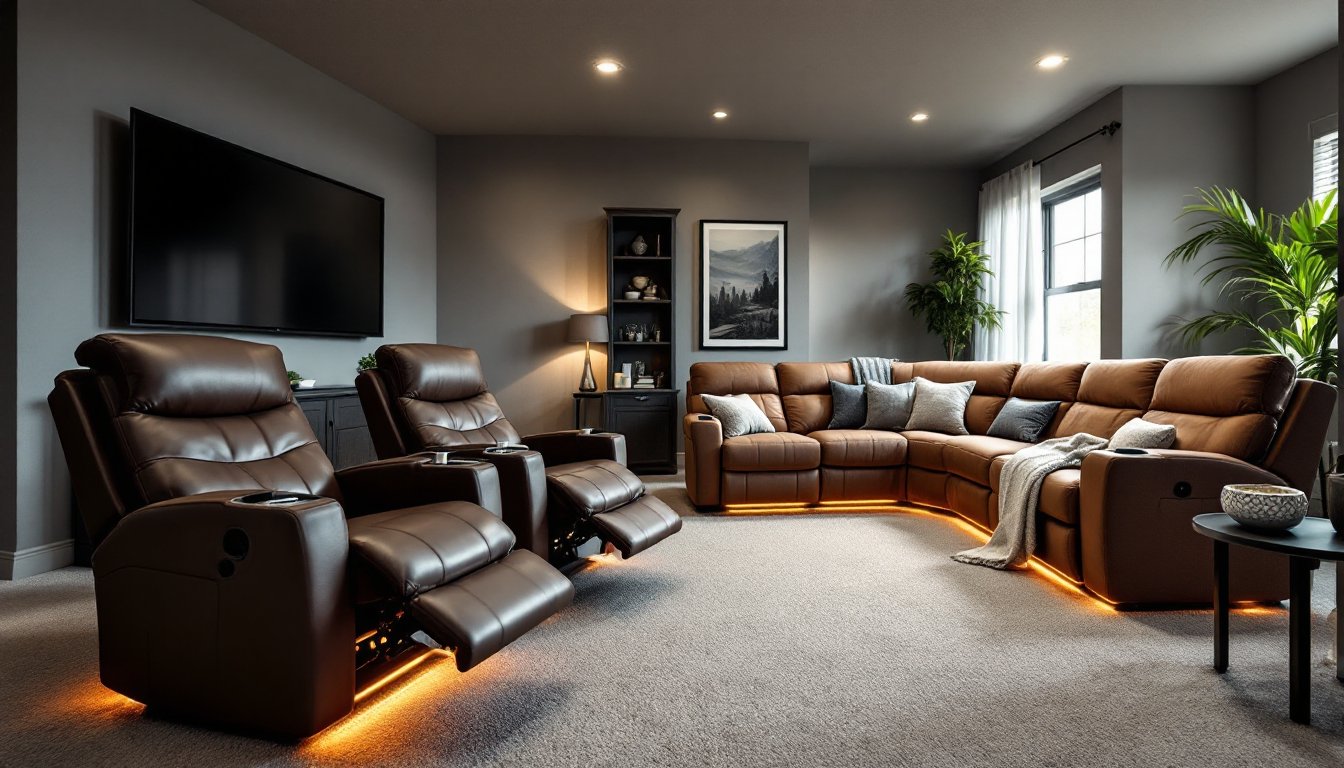
Your living room isn’t just where you watch TV, it’s where you spend hours with family and friends. Home theater seating makes or breaks that experience. The right chair means you’ll actually sit through a three-hour movie without neck pain, backaches, or the urge to shift positions every fifteen minutes. Whether you’re building a dedicated theater room or upgrading the TV corner, investing in quality seating transforms casual viewing into something genuinely comfortable. This guide walks you through what separates forgettable furniture from seating that earns its spot in your home, plus how to pick the right style and features for your space.
Table of Contents
ToggleKey Takeaways
- Quality home theater seating is engineered for hours of comfort with high-density foam, hardwood or steel frames, and durable construction that lasts 10-15 years compared to 3-5 years for cheaper alternatives.
- Power recliners ($800–$2,500+) with motorized adjustment and features like heating, massage, and USB charging offer superior comfort, while manual recliners ($300–$600) provide budget-friendly flexibility for smaller spaces.
- Sectional theater sofas create seamless seating with integrated recliners, storage, and a cohesive look, but require careful measurement for recline depth (often 9.5–10 feet) and may be harder to move or repair than individual chairs.
- Upholstery material significantly impacts maintenance and comfort—leather is premium and easy to clean, microsuede balances durability and softness, and stain-resistant fabric treatments cost 10-15% extra but protect against pets and kids.
- Optimal home theater seating should have 24–26 inch seat depth, 22–26 inch armrest height, and 5–7 inch armrest width to accommodate most adults comfortably throughout extended viewing sessions.
- Check warranty coverage (3-5 years on mechanisms), return policies (minimum 30 days), and delivery costs ($100–$300) before purchasing to protect your investment in best buy home theater seating.
What Makes Quality Home Theater Seating Worth the Investment
Quality home theater seating isn’t just a nicer couch, it’s engineered differently. Standard living room furniture prioritizes style and fits a certain aesthetic: theater seating prioritizes support, durability, and the ability to stay comfortable for hours without moving.
Good theater seating features high-density foam that doesn’t compress flat after six months. The foam maintains its shape and resiliency, so you’re sitting on consistent support every time you sink in. The frame underneath matters too, hardwood or steel construction resists wobbling and sag over time, whereas particleboard frames fail quickly under repeated use.
Cushioning also accounts for temperature regulation. Theater seating often uses breathable fabrics or leather that doesn’t trap heat the way cheaper upholstery does. Nobody wants to peel themselves off a sticky chair during summer or feel cold leather against their back in winter.
Recline mechanisms separate good seating from great seating. Manual recliners require you to fight a lever or handle, and cheap ones jam or stick. Power recliners with reliable motors let you adjust position effortlessly, critical when you’re already settled in with a drink in your hand. Recent home technology buying guides highlight how motorized features increasingly integrate with smart home systems, so consider whether integrated controls matter to your setup.
Durability compounds value over time. Theater seating built with quality materials costs more upfront but lasts 10-15 years. Cheap seating fails in 3-5 years, meaning you’ll replace it twice while quality seating is still going strong.
Types of Home Theater Seating Options Available
Recliners and Power Recliners
Recliners are the standard choice for dedicated theater rooms and for good reason. A single recliner seats one person with full back and footrest support. Most start around $300–$600 for decent construction with manual recline mechanisms. Power recliners ($800–$2,500+) use electric motors to adjust the backrest and leg rest with a remote or button, and many also include heating and massage functions.
When shopping recliners, check the seat height, standard is 18–20 inches from floor to cushion. Some people prefer a bit higher (20–22 inches) for easier standing, while others like lower seats for a more lounge-like feel. Test if you can.
Recliners work well in smaller spaces because they don’t require extra clearance like sectionals do. If you plan to arrange multiple seats in a row, standard recliners let you add chairs incrementally. The downside: each recliner is a separate purchase, and gaps between chairs mean no armrest continuity, though that’s a minor trade-off for flexibility.
Look for models with cup holders and USB charging ports. These features cost $50–$150 extra but make a real difference when someone’s holding a drink or needs to charge a phone. Also verify the recline depth: full recline should take up 30–36 inches behind the seat base, so measure your room before buying.
Sectional Theater Sofas
Sectional theater sofas are multi-seat configurations with integrated recliners on one or both ends, often with a stationary center section. A three-piece setup (two recliners plus a center) typically costs $2,000–$5,000 and seats three people.
Sectionals create a more cohesive look and offer more seating in less floor space compared to separate chairs. The armrests connect seamlessly, and you can lean on a neighbor without a gap. Many include storage under the seat cushions, handy for throws, remotes, or snacks.
The trade-off: sectionals take up a fixed footprint. Moving one later is harder than shuffling individual recliners. Also, if one reclining mechanism fails, you’re dealing with the entire sectional for repair. But, home automation reviews increasingly cover motorized sectionals with integrated smart controls, making them future-friendly investments.
When measuring for a sectional, account for the recline depth on both ends. A 7-foot sectional that fully reclines might need 9.5–10 feet of wall space. Verify doorway widths too, some sectionals don’t disassemble, so you need a clear path into the room.
Key Features to Consider Before You Buy
Upholstery material shapes comfort and maintenance. Leather looks premium, cleans easily, and hides wear, but it cracks over time and isn’t forgiving in hot climates. Microsuede (a synthetic fabric) feels soft, hides stains, and offers good durability without the heat issues of leather. Polyester blends are budget-friendly and widely available, but they pill and flatten faster. If you have pets or kids, consider fabric with stain-resistant treatment, it costs 10–15% more but saves cleaning headaches.
Seat depth (front to back) affects how naturally you recline. Shallow seats (under 24 inches) feel cramped for tall people. Deep seats (26+ inches) are spacious but might feel awkward for shorter people trying to use the footrest. A middle ground of 24–26 inches works for most adults.
Armrest height and width matter more than most realize. Narrow armrests (under 4 inches wide) feel squished: wider ones (5–7 inches) let you rest your arms comfortably. Height should align roughly with your elbows when you’re seated upright, typically 22–26 inches from the floor.
Check whether the seating includes storage pockets, cupholders, and lighting. Modern theater seating often has LED lights under the seat base (helpful for navigating a dark theater) and pockets sewn into the sides for remotes or glasses. These aren’t essential but add convenience.
Warranty and return policy reveal manufacturer confidence. Reputable brands offer 3–5 year warranties on mechanisms and 1–2 years on fabric. Return windows of 30 days minimum give you time to make sure the purchase feels right. Product reviews for home furnishings emphasize how warranty coverage protects long-term investment value.
Finally, think about delivery and assembly. Many theater seats arrive partially assembled, requiring you to attach legs, recline mechanisms, and armrests. Some companies charge extra for delivery to an upstairs bedroom or through narrow hallways. Budget $100–$300 for delivery and setup if you’re not comfortable assembling furniture yourself. Some retailers offer free delivery for purchases over a certain amount, ask during the buying process.
Conclusion
Quality home theater seating transforms your media room from a place you tolerate into a place you actually want to sit. The investment pays dividends in comfort, durability, and the simple pleasure of relaxing without physical frustration. Whether you choose individual power recliners for flexibility or a sectional for cohesion, focus on foam quality, frame construction, and features that match your actual lifestyle. Measure your space carefully, test recline depths, and don’t skimp on upholstery quality, you’ll be grateful for that choice every time you settle in.