
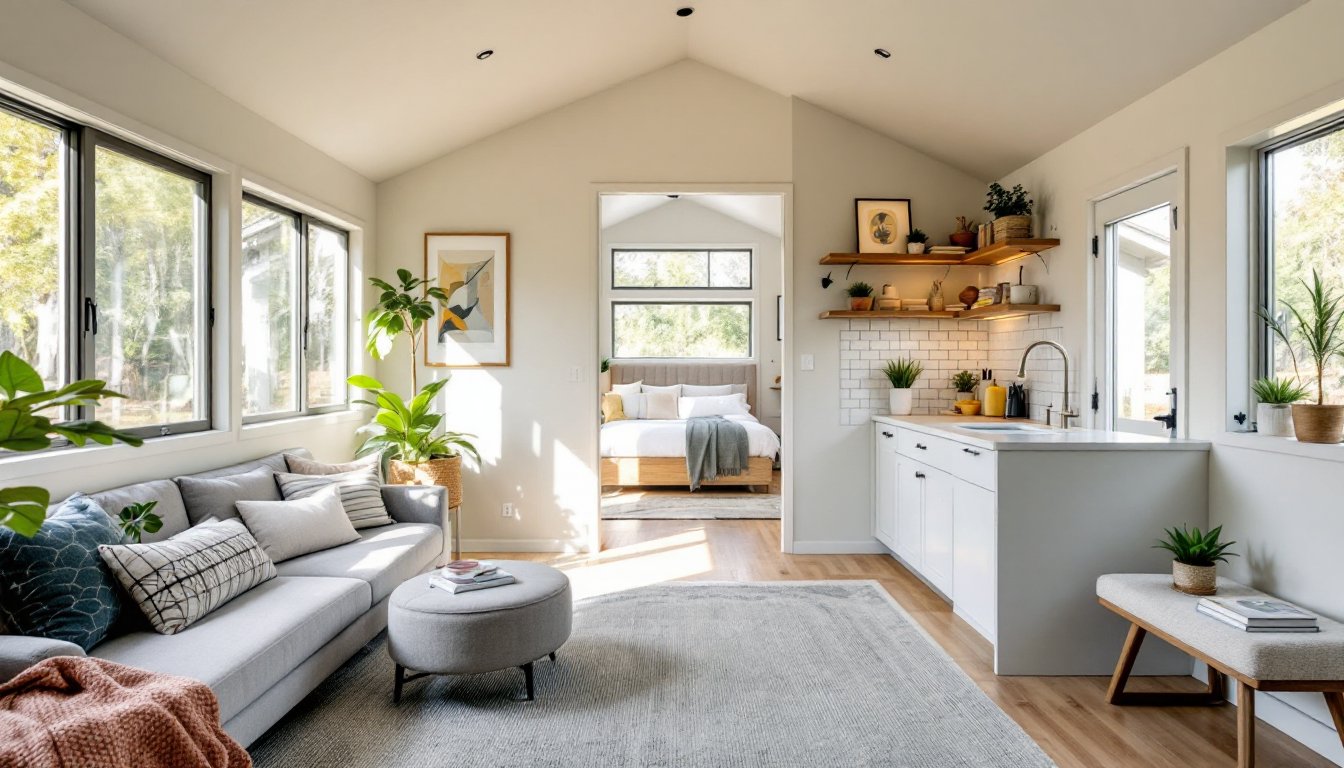
A 1 bedroom tiny home represents a shift in how homeowners think about living space and affordability. With housing costs climbing nationwide, more people are turning to these compact dwellings, typically between 400 and 600 square feet, as a practical solution for downsizing without sacrificing comfort. Whether you’re considering building one, buying an existing unit, or simply curious about the movement, understanding what makes these homes work is essential. This guide walks through the fundamentals, design strategies, and real-world considerations you’ll face when evaluating or creating a 1 bedroom tiny home.
Table of Contents
ToggleKey Takeaways
- A 1 bedroom tiny home typically ranges from 400 to 600 square feet and offers affordability, lower utility bills, and reduced maintenance compared to traditional homes.
- Smart design strategies—including open floor plans, high ceilings, natural light, and light-neutral colors—make tiny homes feel spacious and intentional rather than cramped.
- Vertical storage, multifunctional furniture, and built-in cabinets are essential to prevent clutter and maximize functionality in a 1 bedroom tiny home.
- Zoning laws, financing challenges, and resale considerations vary significantly by location, so verify local regulations and market trends before buying or building.
- Traditional mortgages often exclude homes under 400 square feet; explore alternative financing through credit unions, personal loans, or construction loans to purchase a tiny home.
- Living successfully in a tiny home requires honest self-assessment—spend time in comparable spaces to confirm the lifestyle genuinely fits your needs and preferences.
What Defines a 1 Bedroom Tiny Home?
A 1 bedroom tiny home typically ranges from 400 to 600 square feet, though the definition varies slightly depending on building codes and regional standards. Most include one bedroom, one or two bathrooms, a small kitchen, and a living area, all designed to maximize efficiency without feeling cramped.
Unlike a studio or micro-apartment, a dedicated bedroom provides separation and privacy, which appeals to professionals, couples, and individuals who value a quiet retreat. The kitchen and living areas are open-concept in most designs, creating a flowing layout that makes the overall space feel larger than it actually is.
Tiny homes exist in several forms: freestanding houses on small lots (often 5,000 square feet or less), manufactured homes, ADUs (accessory dwelling units), and converted warehouse or shipping container spaces. Each has different cost structures, zoning requirements, and financing options. Building codes for tiny homes vary by jurisdiction, some states have adopted specific tiny home regulations, while others require tiny homes to meet standard residential building codes, which can drive up costs due to compliance expenses.
Why Tiny Homes Are Gaining Popularity
The appeal of tiny homes extends beyond affordability. They offer lower utility bills, reduced maintenance, and minimal environmental impact, all factors driving homeowner interest in 2026. A smaller footprint means less heating and cooling, cheaper property taxes, and fewer square feet to clean and repair.
For many, tiny homes align with lifestyle choices rather than financial necessity. Remote workers appreciate the lower overhead and flexibility to relocate. Retirees downsize to eliminate maintenance burden while freeing up capital. Young professionals avoid decades of mortgage debt by entering homeownership at a lower price point.
The community aspect also matters. Many tiny home developments foster shared spaces, community gardens, workshops, or common areas, that build social connection. This contrasts with isolated suburban lots and appeals to people seeking intentional community living. Also, the environmental argument resonates: smaller homes consume fewer resources to build and operate, attracting eco-conscious buyers and renters.
Essential Design Strategies for Small Spaces
Smart design makes the difference between a tiny home that feels cramped and one that feels intentional. The foundation starts with an open floor plan, removing non-load-bearing walls between the kitchen and living area (confirm with a structural engineer if considering wall removal) creates visual flow and makes the space feel larger.
Ceiling height matters more in tight quarters. Standard 8-foot ceilings feel lower in a 400 sq ft home than in a 2,000 sq ft house. Many tiny home builders push ceilings to 9 or even 10 feet where code allows, or use vaulted ceilings in living areas. This single change dramatically shifts how occupants perceive the space.
Natural light is non-negotiable. Windows on multiple sides of the home prevent dark corners and create a sense of openness. Skylights in the bedroom or bathroom (if structurally feasible and properly flashed to prevent leaks) add light without eating wall space. Mirrors strategically placed opposite windows reflect light deeper into the home.
Color selections should skew toward light and neutral tones on walls and larger surfaces. Trim, cabinetry, and architectural details can showcase color or personality, but walls are best left simple. This applies to flooring too, consistent flooring throughout (rather than breaking it into zones with rugs or transitions) makes the footprint feel unified.
Maximizing Storage and Functionality
Storage is the hidden killer in tiny homes. Without it, clutter overwhelms the limited square footage instantly. Smart designers build storage into every wall.
Vertical storage dominates: tall bookshelves, wall-mounted cabinets above kitchen counters, and shelving that reaches ceiling height (with a rolling ladder for safety and access) capture unused airspace. Under-bed storage, built-in drawers, and hidden cabinets below window seats exploit dead zones. The bedroom closet should use double rods (one for short items like shirts, one for long dresses or coats) and shelf dividers to maximize hanging capacity.
Multifunctional furniture bridges the gap between style and necessity. An ottoman with internal storage, a bed with drawers underneath, or a kitchen island that doubles as a dining table and workspace compresses what would otherwise require dedicated zones. Fold-down or roll-away elements (fold-down desks, pull-out pantries) are honest about space constraints, they admit that not every function needs a permanent footprint.
The kitchen demands efficiency. A single-wall galley layout is common and keeps the cook zone tight. Appliances should be scaled appropriately, a full-size refrigerator may overpower the space: a 24-inch-wide unit (or even a compact 18-inch model) fits proportionally. Drawers instead of lower cabinets improve access and reduce wasted corner space. A narrow, tall pantry cabinet keeps bulk items hidden and organized.
Budget-Friendly Interior Decorating Ideas
Decorating a tiny home on a budget means being strategic about every piece. Apartment Therapy offers a range of small space living ideas and budget-friendly makeovers that show how to maximize visual impact without excess.
Layered lighting is cheaper than structural changes and transforms the mood. Combine overhead ceiling fixtures with task lighting (under-cabinet strips in the kitchen, bedside lamps) and accent lighting (track lights highlighting artwork or floating shelves). This layering creates depth and makes the space feel intentional rather than bare.
Decluttering isn’t decoration, but it’s the foundation. Real Simple’s organization tips and decluttering guides emphasize that removing items you don’t use or love instantly frees visual space, literally free decoration. One simple rule: if it doesn’t serve a function or bring joy, it doesn’t belong in a tiny footprint.
Budget decor sources matter. Thrift stores, estate sales, and secondhand online marketplaces offer unique pieces at a fraction of retail cost. A single statement wall with paint or peel-and-stick wallpaper (much easier to remove than traditional wallpaper) adds personality without major expense. Artwork and plants (even inexpensive potted varieties from a grocery store nursery) humanize bare walls at minimal cost.
Textiles do heavy lifting: throw pillows, blankets, and curtains add color and texture without taking up floor space. A large area rug anchors a room and defines zones in an open floor plan. Curbed’s home design news and architecture features showcase how contemporary tiny homes use strategic color and textile choices to feel both spacious and personal.
Practical Considerations Before Building or Buying
Before committing to a 1 bedroom tiny home, address these fundamentals.
Zoning and Legal Status: Check local zoning codes. Some municipalities restrict tiny homes to certain neighborhoods or require them to meet minimum size requirements. ADUs may have separate regulations (setback distances, owner-occupancy rules, parking requirements). A phone call to your city planning department costs nothing and prevents buying or building a home that violates code.
Financing Challenges: Traditional mortgages often exclude homes under a certain square footage, typically 400 sq ft. Lenders view tiny homes as riskier investments with lower resale value. Some borrowers use personal loans, construction loans with balloon payments, or cash purchases. Credit unions sometimes offer more flexibility than banks. If you’re financing, discuss tiny home lending upfront with lenders before falling in love with a property.
Resale Considerations: Tiny homes have a narrower buyer pool. An excellent tiny home may take longer to sell than a 3-bedroom suburban house. Urban markets with young professionals or retirees downsizing tend to move inventory faster. Rural areas may struggle. If you plan to sell in 5–10 years, research local market trends before buying.
Permit and Inspection Reality: Building a tiny home requires permits in most jurisdictions (even though what some “off-grid” enthusiasts claim). Unpermitted construction creates liability, prevents future sales, and triggers forced demolition if discovered. Hire licensed contractors for structural work, electrical (NEC compliance), and plumbing (local codes vary significantly). Yes, this increases cost, but it’s non-negotiable.
Utility Infrastructure: Confirm that water, sewer, electric, and natural gas (if applicable) reach the lot or can be feasibly installed. Rural properties may require well drilling, septic systems, or propane, adding $10,000–$30,000+ to project costs. Get utility quotes before purchase.
Daily Living Realities: Spend time in a comparable tiny home, not just a showroom model. Can you cook while someone else is in the kitchen? Does one bathroom feel insufficient? Will you feel isolated by the small bedroom? These emotional responses matter as much as square footage numbers.
Conclusion
A 1 bedroom tiny home works for people who prioritize affordability, simplicity, and intentional living over square footage. Success depends on honest self-assessment: Do you genuinely want to live smaller, or are you chasing a trend? Smart design, open layouts, vertical storage, good lighting, and multipurpose furniture, transforms 400–600 square feet into a functional, pleasant home. Before building or buying, verify zoning rules, explore financing options, and understand local market dynamics. With these foundations solid, a tiny home becomes not a compromise, but a deliberate choice.