
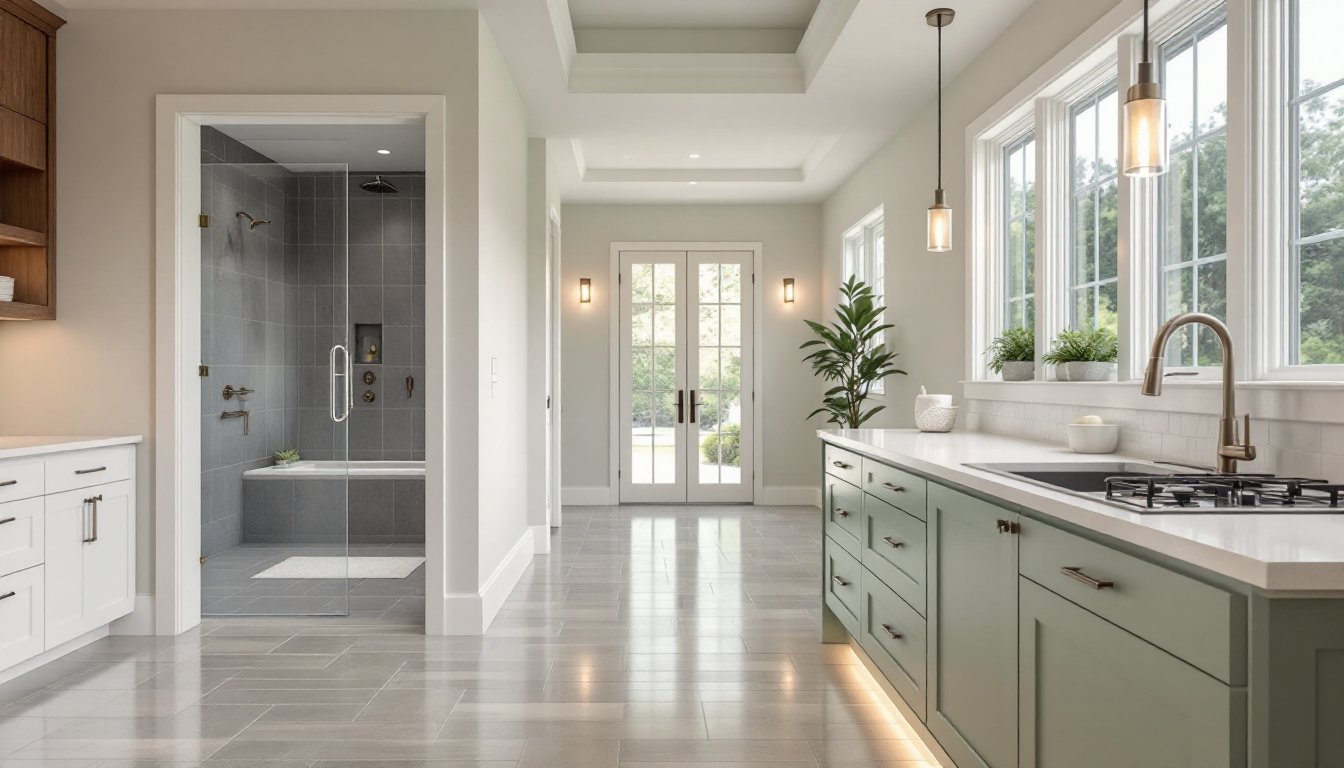
Accessible home remodeling isn’t just about ramps and grab bars, it’s about designing a living space that works for everyone, regardless of age or physical ability. Whether someone in your household uses a wheelchair, struggles with balance, or simply wants to age in place gracefully, thoughtful modifications make everyday tasks easier and safer. The good news: many accessibility upgrades are achievable DIY projects, while others benefit from professional guidance. This guide walks through essential accessible home remodeling strategies that improve functionality without sacrificing style or comfort.
Table of Contents
ToggleKey Takeaways
- Accessible home remodeling protects against falls and improves usability for aging family members, visitors with mobility issues, and anyone recovering from injury—making it a practical investment in safety and home value.
- Bathrooms are the priority for accessible home remodeling; focus on non-slip flooring, grab bars anchored to studs, motion-sensor lighting, and zero-threshold showers to reduce fall risks.
- Grab bars must support 250 pounds of force and be installed into studs at 33–36 inches above the floor, using corrosion-resistant materials like stainless steel rather than aluminum in wet areas.
- Entryways and ramps require careful design: ramps must follow a 1:12 slope ratio, thresholds should not exceed 0.25 inches, and doorways need at least 36 inches of width for wheelchair access.
- Kitchen accessibility improves with varying counter heights (32–36 inches), lever or touchless faucets, undercounter clearance for wheelchair users, and task-focused lighting under cabinets.
- Starting with one accessible home remodeling area and measuring twice helps avoid costly mistakes; many municipalities offer grants for accessibility modifications worth researching in your local area.
Why Accessibility Matters In Home Design
Accessible design benefits more people than you might think. It helps aging parents, visiting relatives with mobility issues, and anyone recovering from injury or surgery. Beyond guest comfort, homes built with accessibility in mind tend to have better resale value and appeal to a broader buyer pool.
Accessibility also reduces the risk of falls, which is a leading cause of injury among older adults. Non-slip surfaces, proper lighting, and well-placed support features aren’t just convenient, they’re protective. Building accessibility into your home now means you won’t face urgent, expensive retrofits later.
Modifications like wider doorways and zero-threshold showers feel natural to install during a planned remodel. Retrofitting them into a finished home costs significantly more and often requires structural changes. Think of accessible design as preventative maintenance for your home’s usability.
Another benefit: accessible homes are easier to navigate for anyone carrying groceries, pushing a stroller, or moving furniture. Even if your household doesn’t currently need mobility aids, these features make life simpler for everyone.
Essential Modifications For Bathrooms
Bathrooms are the most common site for falls at home, making them priority #1 for accessible remodeling. A full bathroom overhaul can run $15,000–$30,000 depending on scope and finishes, but targeted upgrades are more affordable and yield real safety gains.
Start with non-slip flooring. Ceramic tile is durable and easy to clean, but unglazed or textured varieties reduce slipping compared to polished surfaces. If you’re keeping existing tile, adhesive-backed non-slip tape works as a temporary fix. Consider the slope toward the drain: proper grading prevents water pooling, which is both a slip hazard and a mold risk.
Lighting matters more than most people realize. Install bright, shadow-free fixtures around the vanity and toilet area. Motion-sensor night lights guide safe nighttime trips without jarring overhead lights. Aim for at least 50 foot-candles of illumination on work surfaces.
Doorway width is often overlooked. Standard interior doors are 32 inches wide: wheelchair access typically requires 36 inches minimum (some codes call for 34 inches with a slight offset frame). Removing the door entirely or installing a pocket door works if privacy isn’t critical. This is a moderate DIY project if studs don’t require relocation.
Grab Bars And Safety Features
Grab bars are non-negotiable. They’re not decorative, they’re structural support. Install them at 1.5-inch diameter (or oval) bars using corrosion-resistant stainless steel or chrome-plated steel, never aluminum in wet areas. Bars must anchor into studs or blocking, not just drywall, because they need to support 250 pounds of force per mounting point.
Place grab bars 33–36 inches above the floor, horizontally, near the toilet and along the shower wall. Vertical bars beside the toilet help with sit-to-stand transitions. In the shower or tub, horizontal bars should be on the wall users will grip as they step in, typically the long wall at shower height (around 36 inches).
Installation: Locate studs with a stud finder, drill pilot holes, and use brass or stainless steel lag bolts (at least 0.5 inches diameter) or toggle bolts if studs aren’t available. Pre-drilled bars come with hardware: follow manufacturer specs for torque and spacing. A handheld cordless drill handles this in 30 minutes.
Walk-in showers with a zero-threshold design eliminate the tripping hazard of a traditional curb. The shower floor slopes gently toward a linear drain, using a waterproof slope of 1:48 (about 0.25 inches per linear foot). This requires careful underlayment and substrate work, not a beginner’s project, but a licensed plumber or tile installer can handle it in a day. Expect $2,000–$4,000 depending on size and finishes.
A shower seat or bench adds comfort and safety. Folding seats mount to walls using studs, while built-in benches require structural framing. Ensure the seat is slip-resistant and rated for wet environments.
Entryway And Flooring Upgrades
The entryway sets the tone for accessibility throughout your home. A steep front stoop or narrow door creates an immediate barrier. Addressing these isn’t just cosmetic, it’s functional.
Threshold removal is a common first step. Standard thresholds are 0.5–1 inch high: even this modest step is hazardous for wheelchair users or anyone with balance issues. Installing a level transition (or a very shallow, beveled threshold no higher than 0.25 inches) eliminates this friction point. If you’re replacing flooring, use level transitions as your baseline.
Ramps, Thresholds, And Level Surfaces
Ramps are the go-to solution for exterior stairs, but they’re more technical than they look. Building codes vary by jurisdiction, but general standards require a 1:12 slope (1 inch of rise per 12 inches of run). A 3-foot elevation change requires a 36-foot ramp, a steep slope isn’t safe. Switchback or multi-run ramps are practical for tight spaces.
Ramp surface must be slip-resistant. Pressure-treated lumber works but requires annual sealing: outdoor composite decking (like Trex or TimberTech) offers better longevity and less maintenance. Handrails on both sides are code-required for most residential ramps and must be 34–38 inches above the ramp surface, continuous and graspable.
Building a ramp is structural work that may require a permit, especially if it’s load-bearing or affects drainage. A basic wooden ramp for a 12-inch rise costs $800–$2,000 in materials and DIY labor: hiring a contractor runs $2,500–$5,000. Many municipalities offer grants for accessibility modifications, worth checking your local office.
Inside the home, flooring transitions between rooms should be seamless. Avoid plush carpeting in high-traffic areas: it’s tough to navigate with a cane or wheelchair. Low-pile carpet, vinyl, and concrete are easier to traverse. If you’re adding carpet, use a threshold reducer (beveled transition strip) rather than a sharp edge.
Step-free living spaces don’t mean avoiding stairs entirely, but minimizing level changes in main living areas. If your home has split-level or multi-step transitions, a platform or ramp connecting them is a worthwhile upgrade. This often requires professional carpentry and may need structural reinforcement.
Flooring material selection has long-term implications. Ceramic tile and luxury vinyl plank (LVP) are slip-resistant, durable, and easy to clean, excellent for bathrooms and kitchens. Hardwood can work if sealed and matte-finished (glossy finishes are slippery). Whatever you choose, install with proper underlayment and ensure seams are flush to prevent tripping.
Some online resources like ImproveNet offer cost guides and contractor networks to help estimate ramp construction and flooring projects in your area.
Kitchen Accessibility Solutions
Kitchens demand precise ergonomics. Counters, cabinets, and appliances need thoughtful placement so users of varying heights and abilities can work safely and independently.
Counter height is critical. Standard kitchen counters are 36 inches, manageable for most standing users, but awkward for wheelchair users or shorter people. Varying counter heights (32–34 inches in some areas) accommodates different needs. If you’re remodeling, consider a mix: prep counters at 34 inches, with a standard-height island for mixing and seating.
Undercounter space is equally important. A 27-inch toe kick (the recessed area at the base of cabinets) is standard, but 9–12 inches of clear space under a cooktop or sink lets wheelchair users pull close. Rolling carts and mobile islands offer flexibility without permanent modification.
Cabinet hardware and door style matter. D-shaped or horizontal pull handles are easier to grip than knobs, especially for people with arthritis. Soft-close hinges prevent slamming and reduce strain on fingers. Glass-front cabinets below eye level help, but upper cabinets above 48 inches become inaccessible for most users. Use open shelving or pull-down shelves for frequently used items.
Appliance placement affects usability. Side-by-side refrigerators are more accessible than top-freezer models because items are at waist level. Induction cooktops are safer than gas (no burn risk from open flame) and lighter-touch controls are easier to operate. Wall ovens at 36–42 inches above the floor prevent bending for both regular cooking and wheelchair access.
Sink height and faucet style are practical concerns. Lower the sink to 34 inches if possible, and install a lever or touchless faucet, easier to operate than two-handle designs or knobs. Single-lever models let one hand manage both flow and temperature. Touchless or motion-sensor faucets eliminate the need to manipulate handles altogether.
Lighting should be task-focused. Under-cabinet lighting reduces shadows on the work surface, and dimmers let users adjust brightness without moving between rooms. A well-lit kitchen is safer for everyone and makes it easier for people with vision changes to see what they’re doing.
If a full kitchen remodel feels overwhelming, start small: replace cabinet hardware, add under-cabinet lighting, and install a single-lever faucet. These upgrades cost $500–$2,000 and yield noticeable improvements in accessibility. A contractor specializing in kitchen work can guide structural changes like lowering counters or relocating appliances: expect $20,000–$50,000 for a comprehensive remodel, depending on finishes and scope.
Resources like Angi let you compare contractor quotes and read reviews of past kitchen projects, helping you find someone experienced in accessible design. You can also explore real-world examples through Houzz’s accessibility design features, which showcase homes that blend accessibility with attractive, functional design.
Conclusion
Accessible home remodeling is an investment in safety, independence, and future-proofing your home. Prioritize high-impact areas: bathrooms first (grab bars and non-slip surfaces), then entryways (ramps and thresholds), followed by kitchens and living spaces. Many projects are DIY-friendly: others benefit from professional guidance or permits. Start with one area, measure twice, and don’t skip prep work. A thoughtfully accessible home works better for everyone who lives in or visits it.