
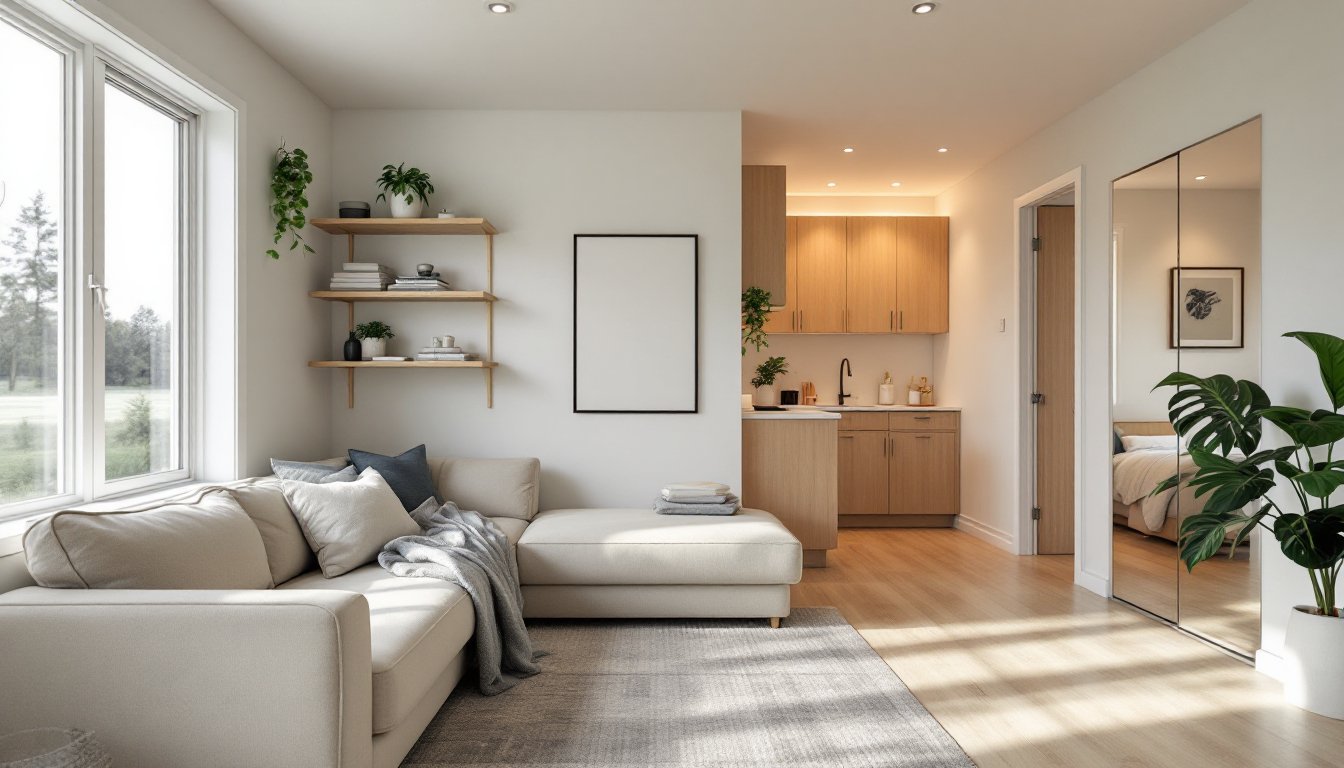
Living in 600 square feet might sound cramped, but it’s actually a goldmine for intentional living. A 600 sq ft tiny home offers the perfect balance between spaciousness and manageability, large enough to avoid feeling claustrophobic, yet compact enough that you’re not heating, cooling, or maintaining unnecessary square footage. Whether you’re downsizing, building a vacation retreat, or maximizing your mortgage payoff timeline, 600 square feet strikes a sweet spot that’s gaining serious traction among homeowners tired of empty rooms and inflated utility bills. This guide walks through the layout decisions, storage hacks, and design strategies that turn a modest footprint into a genuinely comfortable home.
Table of Contents
ToggleKey Takeaways
- A 600 sq ft tiny home strikes the ideal balance between comfort and affordability, providing separate bedrooms, bathrooms, and living spaces without excessive maintenance or utility costs.
- Smart furniture selection—like platform beds with drawers, multi-functional sofas with pullout beds, and drop-leaf tables—maximizes usable space and eliminates the need for single-purpose items.
- Vertical storage solutions, including wall-mounted shelving, under-bed rolling bins, and double closet rods, are essential for staying organized and preventing a 600 sq ft home from feeling cluttered.
- Light colors, continuous flooring, strategic mirror placement, and vertical design elements make a 600 sq ft space feel significantly larger and more inviting than its actual dimensions.
- Renovation costs for a 600 sq ft tiny home stay manageable ($2,900–$4,700 for kitchen upgrades), and prioritizing systems first—electrical, HVAC, and insulation—ensures a solid foundation before cosmetic improvements.
Why 600 Square Feet Is the Sweet Spot for Tiny Home Living
600 square feet lands in that Goldilocks zone of tiny home sizing. It’s enough space to avoid the visual clutter and territorial friction that plague couples and roommates in studios or one-bedrooms, yet small enough that a single heating zone or central air unit keeps energy costs reasonable. Most tiny homes under 400 square feet require serious spatial compromise, combining sleeping and living areas, or accepting a single, cramped bathroom. At 600 square feet, you can typically fit a dedicated bedroom (or two small ones), a proper bathroom, kitchen, and living area without sacrificing comfort.
From a financial perspective, 600-square-foot homes are more achievable than traditional houses and still fall under the regulatory radar in many jurisdictions. Build costs hover lower than full-size homes while skipping the massive land requirements of full estates. Maintenance is straightforward: if the roof needs patching or the siding needs paint, the project scope and expense are manageable for a DIYer or a single contractor visit. Utilities follow suit, heating, cooling, and electricity bills stay genuinely low without requiring cutting-edge smart systems or constant optimization.
Essential Layout Strategies for 600 Sq Ft Homes
Smart Furniture Selection and Multi-Purpose Pieces
Layout in a 600-square-foot home hinges on furniture that earns its footprint. A sofa that’s 8 feet long takes up real estate: a 72-inch piece with a pullout bed does triple duty: seating, guest sleeping, and storage. Look for credenzas or media consoles that store blankets, board games, and cables below a TV, everything stays accessible but invisible.
Beds present the biggest spatial opportunity. A queen platform bed with drawers underneath costs $200–$400 more than a basic frame but reclaims 30+ cubic feet of closet or dresser space. Loft beds with desk or seating below are not novelties: they’re legitimate density plays in tight quarters. If ceiling height allows (typically 9+ feet nominal), a loft frees up half the bedroom footprint.
Kitchen-to-dining flow matters enormously. A drop-leaf table (roughly 3×3 feet when extended, 3×1 foot collapsed) replaces a fixed dining table. Wall-mounted fold-down desks do the same for home offices. The trick is selecting pieces with good depth-to-footprint ratios. A 24-inch-deep sofa looks thinner than a 36-inch one and still seats three people comfortably.
Designers consulting on compact layouts often recommend arranging furniture perpendicular to walls rather than against them, counterintuitive, but it opens sightlines and makes the space feel larger. Floating a sofa 18 inches from the wall creates the illusion of flow, even in 300 square feet of living space.
Storage Solutions That Actually Work in Compact Spaces
Storage is the difference between a tiny home that feels organized and one that feels chaotic. Vertical storage is non-negotiable. Wall-mounted shelving units (12-inch depth, floor-to-ceiling) cost $150–$400 and can hold 40+ cubic feet of items while freeing floor space. Floating shelves above counters, desks, or the toilet capture dead zones.
Under-bed storage is obvious but underutilized. A shallow rolling bin (8–12 inches tall) slides under a bed on casters, holding off-season clothes, extra bedding, or sports gear. Vacuum-seal bags compress winter coats to one-third their volume. A master bedroom with three rolling bins underneath reclaims a full closet.
Closet organization is crucial because a poorly planned closet erodes faith in the entire home’s viability. Install a double rod (one at 65 inches, one at 33 inches) to hang twice as many clothes. Add shelf dividers to prevent stacks from toppling. An 8-foot-tall, 24-inch-deep closet holds roughly 120+ linear feet of hanging space and three full shelves, enough for one person’s entire wardrobe if edited ruthlessly. Strategies like those found in apartment living guides emphasize culling duplicate items and rotating seasonal pieces.
Kitchen storage deserves equal attention. Vertical dividers in cabinets keep baking sheets and cutting boards organized. Hooks inside cabinet doors hang dish towels or utensil bags. A rolling pantry (24 inches wide, 18 inches deep) slides into gaps and holds canned goods, oils, and spices without a dedicated pantry room. Install a pegboard on kitchen walls for tools, measuring spoons, and frequently used items, clearing drawer clutter instantly.
Design and Decor Tips to Make 600 Sq Ft Feel Open and Inviting
Color and light perception drive perceived spaciousness more than actual dimensions. Light, neutral base colors (off-white, warm gray, soft beige) for walls and flooring act as visual anchors that let the eye travel uninterrupted. A 600-square-foot room painted in sectional colors reads smaller than it is: a consistent palette reads larger.
Windowless or poorly lit walls benefit from mirror placement. A 4×6 foot mirror opposite a window bounces natural light and visually deepens the room. It’s not a gimmick, it measurably changes perceived luminance. Pair mirrors with warm LED lighting (2700K color temperature, roughly 800–1000 lumens for a living room) to avoid the clinical feel of overly bright fixtures.
Flooring continuity matters. Transitioning from a living room to a kitchen via a different flooring material (wood to tile, for instance) chops the space psychologically. Keeping the same flooring throughout a 600-square-foot footprint, or using two complementary materials with a subtle shift, maintains visual flow. If budgets require mixed materials, avoid stark contrast: a light wood and light tile read as intentional, not patchwork.
Decor density is the final lever. A few statement pieces (a quality rug, one interesting wall art, a plant) feel curated. Stuffing walls and surfaces with dozens of decorative items feels cluttered, even in larger homes. Guidance from real simple organization strategies emphasizes purposeful placement and regular purging to maintain a calm aesthetic.
Vertical elements, tall bookcases, climbing plants on wall-mounted shelves, artwork hung higher than typical, draw the eye upward and make ceilings feel higher. Standard 8-foot ceilings in 600-square-foot homes feel taller when visual anchors point skyward.
Building and Renovating a 600 Sq Ft Tiny Home on a Budget
Tiny homes are popular renovation projects because the cost-per-square-foot stays manageable. A modest kitchen remodel in a 300-square-foot space, new laminate counters ($800–$1200), budget cabinet refacing ($1500–$2500), and vinyl plank flooring ($600–$1000), totals $2900–$4700, whereas the same upgrades in a full kitchen in a 1500-square-foot home easily run $8000+.
When planning a 600-square-foot build or renovation, prioritize systems first: electrical infrastructure (150–200 amp service, adequate circuits per code), HVAC (properly sized for the volume, oversizing wastes money and causes humidity control issues), and insulation (critical in tiny homes where heat loss concentrates in fewer linear feet). These are structural necessities that most codes mandate.
Cosmetic upgrades follow. Paint is the cheapest upgrade ($300–$600 for materials and labor across 600 square feet) and the highest-impact refresh. Reclaimed or salvaged materials (barn wood accent walls, repurposed hardware store finds) add character at a fraction of custom costs. A single shiplap or board-and-batten accent wall costs $400–$800 in materials and pays off visually.
Flooring choices vary wildly by budget. Vinyl plank flooring (luxury vinyl plank or LVP) costs $3–$8 per square foot installed, 600 square feet runs $1800–$4800 and mimics wood or stone convincingly. Laminate is cheaper ($1–$3 per square foot) but wears faster and doesn’t handle moisture well in kitchens or baths. Tile in wet areas is permanent but requires professional installation, adding $800–$1200 for labor alone.
Budget tiny home renovations benefit from bundled decisions: all brushed-nickel hardware throughout (consistent aesthetic, bought in bulk at $2–$4 per piece versus custom finishes at $8+), single cabinet color (avoiding the temptation to vary finishes in an already-complex layout), and one consistent trim style throughout (Shaker-style cabinet doors, simple baseboards, basic door casings rather than ornate moulding). Coherence is cheaper and makes a small home feel intentional rather than haphazard.
Resource guides like Young House Love’s renovation stories document real-world budget breakdowns and timeline lessons: learning from others’ mistakes (underestimating electrical work, forgetting HVAC sizing, skipping moisture barriers) saves thousands.
Conclusion
A 600-square-foot tiny home is genuinely livable without gimmicks or trade-offs that feel desperate. The layout accommodates distinct rooms, the footprint allows manageable renovations and utilities, and the financial barrier to entry is lower than traditional home ownership. Success hinges on thoughtful furniture selection, ruthless storage planning, and design coherence. These aren’t lifestyle sacrifices, they’re intentional choices that result in spaces where you actually want to spend time.