
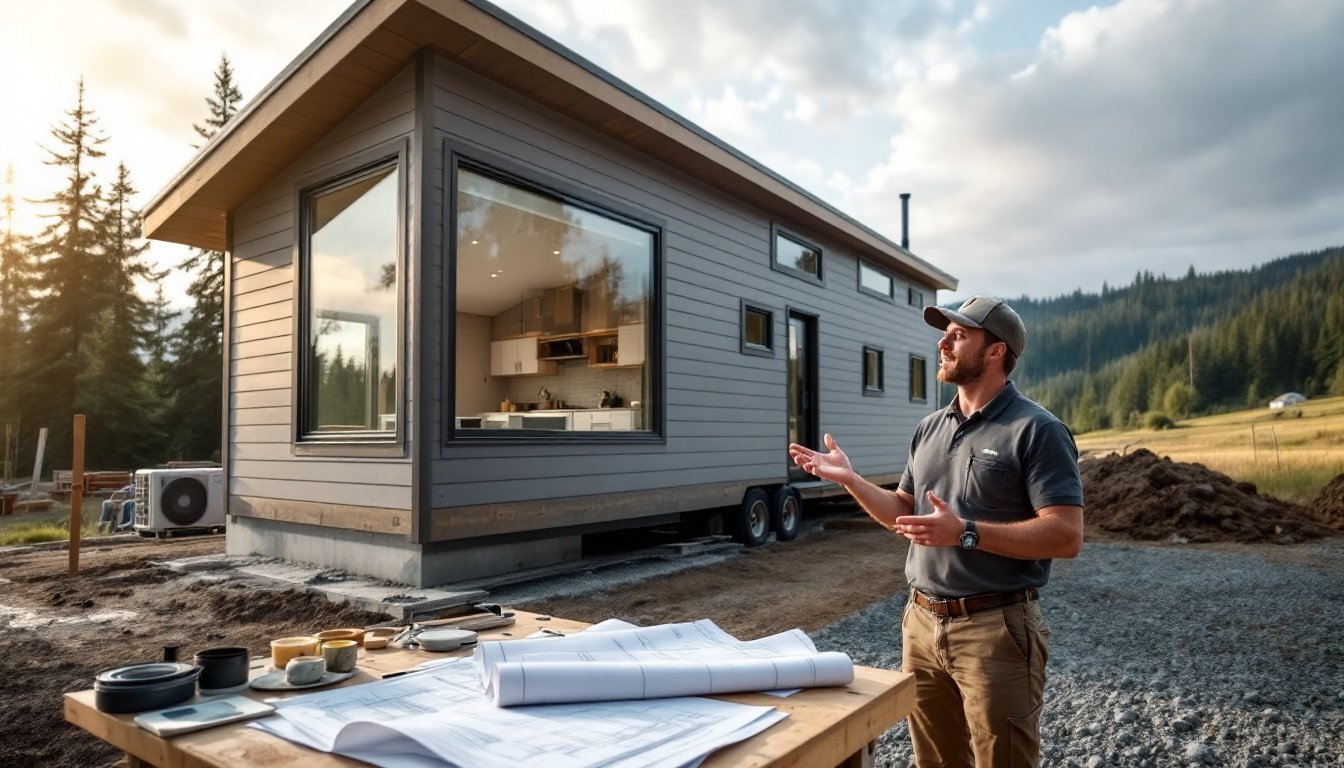
Washington State’s housing market is shifting. Skyrocketing property prices and limited inventory have pushed homeowners toward an alternative that’s gaining serious traction: tiny homes. Whether you’re seeking an affordable primary residence, a rental investment, or a more sustainable lifestyle, tiny home builders across Washington are delivering practical solutions. This guide walks you through what’s available, what to expect, and how to navigate financing, zoning, and customization options in 2026.
Table of Contents
ToggleKey Takeaways
- Tiny home builders in Washington State are addressing the state’s affordability crisis by offering quality homes at $60,000–$200,000, significantly below the $600,000+ cost of traditional homes in urban areas.
- Top builders like Prescott Passive Homes, Northwest Tiny Homes, and Spokane Tiny Homes specialize in regionally optimized designs, with Western Washington focusing on efficiency and Eastern Washington emphasizing cold-climate heating solutions.
- Financing options for tiny homes include conventional mortgages for foundation-placed units, personal loans through credit unions ($50,000–$100,000 range), and construction-to-permanent loans, though banks often require minimum valuations of $75,000–$100,000.
- Washington’s patchwork of local zoning codes means approval varies by county and city—Seattle allows larger ADUs while Spokane County enforces stricter lot sizes, making it essential to verify regulations with your local planning department before purchasing land.
- Hidden costs including utility connections ($2,000–$8,000), permits ($500–$2,000), site preparation, and property taxes can significantly increase total project expense, so budget-conscious buyers should request detailed cost estimates from builders.
- Customization options are available for floor plans and material upgrades ($5,000–$25,000), but moving load-bearing walls requires engineering and substantial additional cost, making it important to clarify structural limitations upfront.
Why Tiny Homes Are Transforming Washington’s Housing Market
Tiny homes, typically ranging from 300 to 800 square feet, offer a direct response to Washington’s affordability crisis. Unlike traditional single-family homes that often exceed $600,000 in urban areas, a quality tiny home can cost between $60,000 and $200,000, depending on finishes and customization.
The appeal goes beyond price. Tiny homes require less energy to heat and cool, lowering utility bills significantly. Property owners can place multiple units on larger lots, creating opportunities for rental income or multi-generational living arrangements. Many buyers are drawn to the simplicity of smaller spaces that require less maintenance and cleaning, practical motivations that aren’t about minimalism trends but genuine lifestyle preferences.
Washington’s relatively moderate climate and growing acceptance of alternative housing types in zoning codes have created fertile ground for tiny home development. Builders across the state are responding with move-in-ready homes that meet modern building codes while staying lean on cost. The market isn’t just growing: it’s maturing, with established builders offering warranties, financing partnerships, and design options that rival traditional home construction.
Top-Rated Tiny Home Builders Across Washington State
Leading Builders in Western Washington
Western Washington, home to Seattle, Tacoma, and the Puget Sound region, has the highest concentration of tiny home builders. These firms range from small local operations to larger companies managing multiple projects annually.
Prescott Passive Homes (Olympia) specializes in ultra-efficient, high-performance tiny homes designed to net-zero or passive house standards. Their models emphasize insulation, triple-glazed windows, and sealed construction, reducing heating costs to near nothing. Prices range from $120,000 to $180,000. Northwest Tiny Homes (near Bellingham) focuses on customizable designs with strong emphasis on local wood materials and open-floor layouts. Their base model starts around $75,000, with extensive upgrade options available. Lantern Tiny Homes (Portland-metro area, serving Washington) delivers completed, permitted models designed for foundation or trailer placement, typically $80,000 to $150,000.
Tools like HomeAdvisor can help you compare local builders, read customer reviews, and get instant cost estimates for your region, a solid starting point before contacting builders directly.
Notable Builders in Eastern Washington
Eastern Washington presents different market conditions: lower property costs, more generous zoning for alternative housing, and a growing population around Spokane and the tri-cities area.
Spokane Tiny Homes serves the interior with designs optimized for colder winters, featuring robust insulation packages and efficient wood-stove or radiant heating options. Models range from $65,000 to $140,000. Walla Walla Compact Housing offers semi-custom builds with an emphasis on agricultural property integration, relevant for families planning hobby farms alongside their primary residence. Pricing typically falls between $70,000 and $130,000.
Eastern markets often have more available land and fewer zoning restrictions, making it possible to place a tiny home on acreage without the permitting challenges common in King or Pierce County. But, building codes and utility availability still require due diligence.
What to Expect: Tiny Home Customization and Design Options
Most reputable builders offer a standard model line, then allow customization within structural and cost parameters. Here’s what you’ll typically encounter:
Floor Plan Flexibility: Base models come in one or two-bedroom layouts. You can usually swap wall positions, relocate the kitchenette, or move bathroom fixtures without major cost increases. Moving load-bearing walls (the ones supporting roof weight) requires engineering and costs hundreds to thousands of dollars, builders will flag this upfront.
Material Upgrades: Standard options include vinyl siding, asphalt shingles, and basic cabinetry. Upgrades to metal roofing, wood siding, custom built-ins, or higher-end countertops add $5,000 to $25,000. Flooring, vinyl plank, engineered hardwood, or tile, varies widely in price and durability. Ask about actual material dimensions and warranties rather than vague descriptions.
Appliance and Systems Choices: Most builders source their own appliances to fit tiny spaces. You’ll choose between energy-efficient models that cost more upfront but save money over time. Heat sources (mini-split heat pump, radiant floor, traditional furnace) depend on your climate zone and long-term energy goals. Western Washington builders typically default to efficient heat pumps: Eastern Washington sometimes includes propane backup or wood stoves.
Design Resources: Platforms like Houzz showcase real tiny home interiors from both builders and homeowners, helping you visualize layout options and material combinations before committing. This visual research often clarifies what customizations actually matter to you versus what’s marketing noise.
Timeline: Standard builds take 8–16 weeks from contract to delivery. Custom modifications can extend this to 20+ weeks. Ask your builder for a detailed timeline with milestone payments, a sign of professional operation.
Financing and Cost Considerations for Your Tiny Home Project
Financing a tiny home differs slightly from traditional mortgages, and understanding your options upfront saves frustration later.
Loan Types: Conventional mortgages work for tiny homes placed on permanent foundations. But, banks often hesitate because appraised values can be lower than loan amounts, creating higher risk in their view. Some lenders require a minimum home value of $75,000–$100,000: confirm this before shopping.
Personal Loans and Construction Loans: If you’re buying a completed unit, personal loans through credit unions often work well for the $50,000–$100,000 range and avoid appraisal delays. If a builder is constructing on your land, construction-to-permanent loans let you finance building in stages, paying interest only during construction, then converting to a fixed mortgage once complete.
Manufactured Housing Loans: Trailer-based tiny homes sometimes qualify for chattel loans (personal property financing), which are simpler but come with higher interest rates and shorter terms. Always verify with your lender whether your specific unit qualifies.
Actual Costs Beyond Purchase: Property taxes vary significantly by county, King County runs around 0.84% of assessed value annually: rural Eastern Washington counties may be 0.7–0.75%. Utility connection (water, sewer, electric hookup to an existing structure or new foundation) can cost $2,000–$8,000 depending on distance and soil conditions. Site preparation, permits, and foundation work add another $5,000–$15,000. Budget-conscious buyers often underestimate these hidden costs: ask your builder for a detailed estimate including all site-specific fees.
Insurance: Homeowners insurance for a tiny home is cheaper than for a full-size home but varies by underwriting. Get quotes early: some insurers specialize in alternative housing, while others treat tiny homes as higher-risk.
Research from Fine Homebuilding on cost-effective construction methods and energy efficiency payback periods can guide material decisions that balance upfront expense with long-term savings.
Zoning Laws and Regulations You Need to Know in Washington
This is the area where Washington’s patchwork of local codes creates the most confusion. There is no statewide tiny home ordinance: cities and counties set their own rules.
Permanent Foundation vs. Trailer: Many jurisdictions distinguish between tiny homes on a permanent concrete foundation (treated as conventional housing, subject to standard residential codes) and those on a trailer frame (regulated as manufactured housing, with different setback and utility requirements). Foundation-based units typically face fewer restrictions and lower insurance costs.
Setback and Lot Requirements: Seattle allows accessory dwelling units (ADUs) up to 1,200 square feet on single-family lots, with relaxed setback rules. But, Spokane County requires larger minimum lot sizes and stricter setbacks. Before buying land or signing a builder contract, confirm what your local jurisdiction permits. Your county assessor’s office and planning department provide zoning maps and code summaries online.
Building Permits and Inspections: All tiny homes in Washington must pass standard building inspections (foundation, framing, electrical, plumbing, final). Expect permit costs of $500–$2,000 depending on construction cost and local fees. Timeline: permits typically take 2–6 weeks. Some jurisdictions have expedited processes for ADUs and energy-efficient construction: ask your builder if they’re familiar with local expediting programs.
Utility and Septic Constraints: Rural properties may require an engineered septic system (add $5,000–$10,000). Some areas have water availability or waste-water treatment restrictions. Verify utility access and capacity before purchasing land: well drilling in rocky terrain or extensive septic engineering can kill a project’s affordability.
HOA Restrictions: If the land is in an HOA community, check covenants carefully. Some HOAs explicitly prohibit tiny homes or restrict unit size to certain minimums. This is a deal-breaker you need to know upfront, it won’t change no matter how much you negotiate.
Professional Guidance: Hire a real estate attorney familiar with local zoning if you’re placing a tiny home on raw land or in a sensitive area. The $500–$1,500 cost is cheap insurance against a $15,000 code violation or order to demolish.