
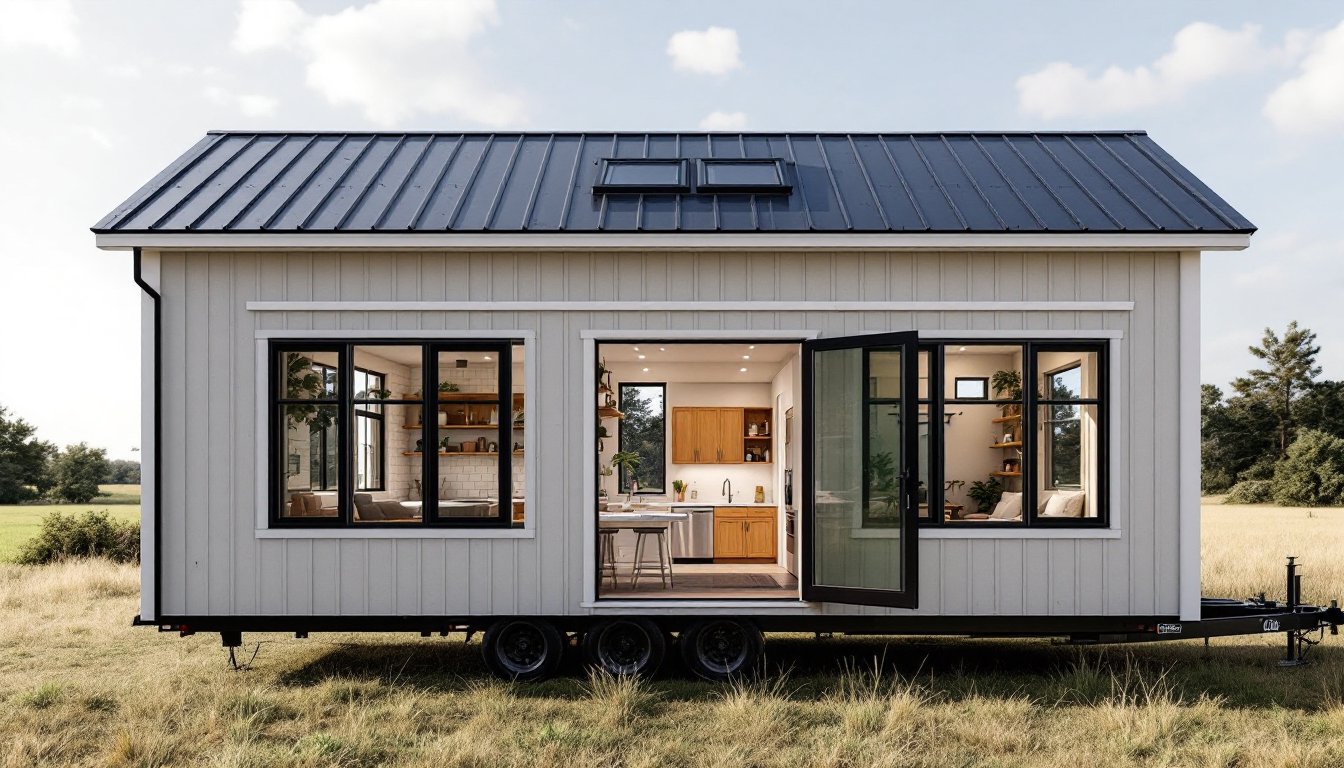
A 16×40 tiny home offers an appealing middle ground for those seeking affordable, sustainable housing without cramming into a studio apartment. At 640 square feet, it’s large enough for genuine living, a bedroom, full kitchen, bathroom, and living room, while remaining compact and budget-friendly to build and maintain. Whether you’re drawn to downsizing, reducing your carbon footprint, or simply want a low-cost way to own property, understanding the 16×40 layout, costs, construction methods, and legal hurdles will help you decide if this footprint is your next project.
Table of Contents
ToggleKey Takeaways
- A 16×40 tiny home offers 640 square feet with genuine living space—including a separate bedroom, full kitchen, and bathroom—making it a practical middle ground between affordability and functionality.
- Construction costs typically range from $40,000 to $80,000 for a basic build, with expenses varying by foundation type, material quality, labor approach, and regional pricing.
- Zoning and permit requirements vary dramatically by jurisdiction, so verify local building codes and regulations before investing in design or materials to avoid costly delays or project derailment.
- Space efficiency in a 16×40 layout depends on multi-function design, vertical storage, minimal hallways, and thoughtful flow to make 640 square feet feel spacious and functional.
- A 16×40 tiny home works best for single occupants, couples, or small families willing to embrace minimalist living and DIY construction, but may not suit those needing dedicated home offices or extensive storage.
What Is a 16×40 Tiny Home?
A 16×40 tiny home is a dwelling with a footprint of 16 feet wide by 40 feet long, totaling 640 square feet. This dimension is popular because it’s small enough to move as a structure (many fit within state road weight limits for trailers) while still providing legitimate living space. Unlike studio-style tiny homes, a 16×40 can accommodate a separate bedroom, kitchen with counter space, a full bathroom, and a dedicated living area without feeling claustrophobic.
These homes are typically built on trailers (making them mobile tiny homes or RVs) or on permanent foundations (making them more traditional stick-built cottages). Both approaches have tradeoffs: trailer-based units offer mobility and lower upfront costs, while foundation-built versions provide permanent residency status and often qualify for conventional mortgages. A 16×40 sits right at the threshold where you can include amenities like a full-size fridge, a regular kitchen sink, and separated rooms, features many smaller tiny homes sacrifice.
Average Cost to Build a 16×40 Tiny Home
Building costs for a 16×40 tiny home typically range from $40,000 to $80,000 for a basic shell and utilities on the lower end, to $100,000+ for a finished, fully equipped unit. Several factors shift that number:
Foundation type plays a huge role. A trailer-based build saves on foundation work: a concrete slab or pier-and-beam foundation costs significantly more upfront. Material quality matters, recycled or salvage materials can cut costs, while energy-efficient windows, insulation, and appliances drive them up. Labor is the wild card. DIY or owner-builder models slash labor costs, but hiring general contractors and subcontractors for electrical, plumbing, and HVAC can easily double expenses.
Regional pricing varies wildly. Materials cost more in remote areas, and local labor rates differ. A 16×40 in rural Montana won’t cost the same as one in coastal California. Don’t bank on a number without pricing actual local materials and labor. Also factor in permits, inspections, utilities hookup, and site prep, these often surprise budget-conscious builders.
Layout and Design Considerations
A 16×40 layout typically runs one of a few configurations: a master bedroom at one end with living/kitchen/bathroom at the other, or a loft bedroom above the living area to free up floor space. The loft approach is popular because it opens the main floor, making 640 square feet feel larger. Your specific layout depends on your priorities: privacy, storage, entertaining, or remote work space.
Maximizing Space Efficiency
Space efficiency in a tiny home hinges on overlap and multi-function design. A kitchen island can double as dining and work surface. Bedroom built-ins, shelving, drawers under the bed, closet organizers, reclaim room that a nightstand would steal. Vertical storage is your best friend: tall, narrow shelving draws the eye upward and multiplies usable volume.
Flow matters more in a compact footprint than it does in a traditional home. Hallways should be minimal: bedrooms should open directly onto the living area or be accessed via a door, not a corridor. Lighting affects perceived spaciousness too. Large windows and skylights make 640 square feet feel less claustrophobic. Sources like Apartment Therapy offer small-space design strategies worth studying before you finalize your floor plan. Consider bump-outs, small extensions that add a nook for a desk or dining area, if your layout allows. These don’t require much additional framing but give the interior genuine utility.
Construction and Materials
Building a 16×40 follows standard timber-frame construction, though the small footprint requires precise planning. If building on a trailer, you’ll start with a pressure-treated rim board and 2×6 or 2×8 joists on 16-inch or 24-inch centers. If on a foundation, you’ll frame off a 4×8 or 6×8 sill plate. Walls typically use 2×4 studs (actual dimensions: 1.5″ × 3.5″) or 2×6 studs for added insulation in cold climates.
Roof framing depends on your climate. A pitched roof sheds water and snow: a flat roof saves material but requires robust underlayment and careful drainage. Most 16×40 builds use 4/12 to 6/12 pitch (rise-to-run ratios). Sheathing is typically ½-inch exterior plywood, with roofing underlayment and asphalt shingles, metal, or standing-seam metal panels.
Insulation matters tremendously. Walls should have R-15 to R-21 batt insulation (fiberglass, mineral wool, or rockwool), and ceilings need R-30 to R-49 depending on your climate zone. Tiny homes lose heat and cool faster than larger structures because of their surface-area-to-volume ratio, so don’t cheap out. Exterior sheathing options range from inexpensive vinyl siding to durable fiber-cement or standing-seam metal. Plumbing and electrical rough-in happen before drywall (½-inch or ⅝-inch drywall is standard). If you’re tackling this yourself, rough-in work and drywall finishing demand patience, mistakes here show up for decades.
Zoning, Permits, and Legal Requirements
This is where many tiny-home dreams derail. Zoning codes vary dramatically by jurisdiction. Some municipalities don’t allow structures under a certain minimum square footage (often 800–1,000 sq. ft.). Others ban dwellings on wheels outright. Some counties embrace ADU (accessory dwelling unit) rules and actively permit tiny homes on residential lots.
Before pouring money into design or materials, contact your local building department and zoning office. Ask specifically:
• Is a 16×40 dwelling permitted on your intended lot?
• What’s the minimum dwelling size in your zone?
• If building on a trailer, is it zoned as an RV, mobile home, or permanent structure?
• What permits are required? (Building permit, electrical, plumbing, mechanical, septic if off-grid.)
• What inspections checkpoints must you pass?
Permit costs typically run $500–$2,000, though large jurisdictions charge more. Inspection fees add another $300–$800. A project like the featured 16×40 design illustrates how professional tiny homes address code compliance through thoughtful design.
Electrical work must meet the National Electrical Code (NEC), and if your tiny home sits on a trailer, it may fall under RV electrical standards instead, a crucial distinction. Plumbing must meet local code for trap sizing, venting, and cleanout access. Structural calculations may be required if you’re deviating from standard framing. Don’t skip permits to save money: unpermitted work creates liability, kills resale value, and can result in fines or forced demolition.
Is a 16×40 Tiny Home Right for You?
A 16×40 is a solid choice if you value affordability, simplicity, and a smaller environmental footprint. It works well for single occupants, couples, or small families who don’t entertain large groups regularly. It’s ideal if you’re handy, patient with DIY work, and willing to learn construction basics, sweat equity is the fastest cost reducer.
It’s not the right fit if you need a dedicated home office and a separate guest room, or if your lifestyle requires constant access to urban amenities you can’t achieve in a rural or exurban setting. Resale can be challenging in markets where tiny homes aren’t normalized: financing is trickier if the property isn’t on a permanent foundation. Storage fanatics will struggle: you’ll learn to live with less.
Honestly assess your tolerance for compact living before committing. Visit other tiny homes if possible. Stay a weekend in one. Read up on real-world experiences. Resources like Real Simple’s decluttering and organization strategies help you gauge whether minimalist living genuinely appeals to you or whether it sounds appealing in theory but doesn’t match your actual habits.
If you’ve worked through the zoning requirements, researched local costs, sketched a layout that suits your lifestyle, and honestly assessed your building skills, a 16×40 tiny home can deliver genuine independence and affordability. Start small with decisions, get permits locked in, finalize your design, secure funding, before breaking ground. Move deliberately. The result will be worth the patience.