
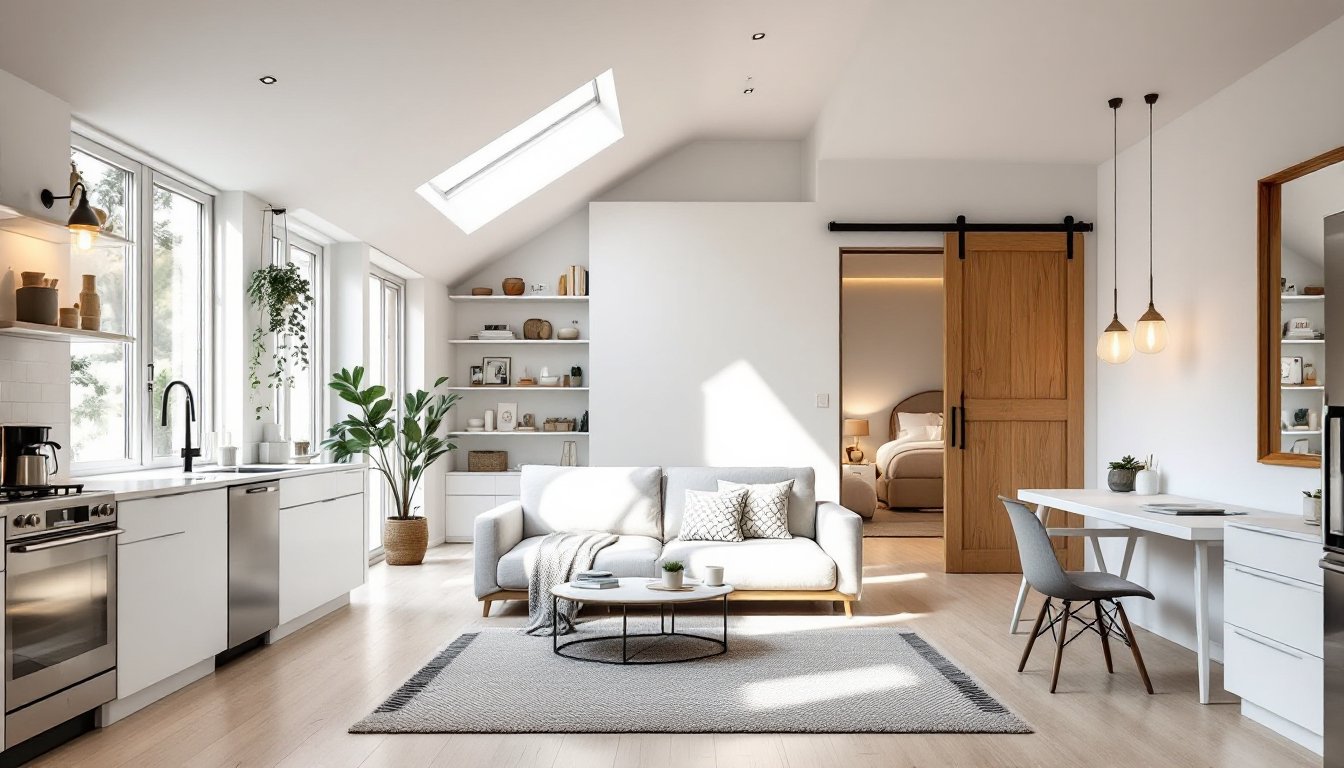
A 1000-square-foot home sounds snug, but it’s actually the Goldilocks zone of tiny living. Not so cramped that you’re stacking furniture like a storage unit, yet small enough to pay lower utilities and maintenance. Whether you’re building from scratch or renovating an existing space, a 1000 sq ft tiny home proves you don’t need 2,500 square feet to live well. This article walks through proven layout strategies, storage hacks, and design choices that make compact living feel spacious, comfortable, and genuinely functional for real people with real stuff.
Table of Contents
ToggleKey Takeaways
- A 1000 sq ft tiny home strikes the ideal balance between affordability and livability, saving thousands annually on utilities, maintenance, and property taxes while providing enough space for 2–3 bedrooms, a full kitchen, and functional zones.
- Open floor plans work best when intentionally zoned using architectural elements like sliding barn doors, pocket doors, and ceiling-mounted curtains rather than permanent walls to maintain privacy without sacrificing spacious feels.
- Vertical storage solutions—including floor-to-ceiling shelving, floating shelves, and underbed organizers—are non-negotiable in tiny homes; every object needs a designated off-floor home to prevent visual chaos.
- Light, color strategy, and mirrors are the cheapest tools for making your 1000 sq ft home feel larger; maximize natural daylight, use light neutral wall colors, and position mirrors to reflect light and create perceived depth.
- Multifunctional furniture should serve genuine dual purposes (ottomans with storage, console tables for surface space), not gimmicks (convertible bed-tables), and every open surface must earn its space with intentional use.
- Intentional upfront planning is essential for 1000 sq ft tiny home success; half-measures create clutter and frustration, while thoughtful zoning, smart storage, and deliberate design create genuinely functional living spaces.
Why 1000 Square Feet Is the Sweet Spot for Tiny Living
At 1000 square feet, you’re hitting a practical threshold. A typical 1000 sq ft home can comfortably fit a full kitchen, 2-3 bedrooms or a bedroom and home office, a living area, and at least one full bathroom without the weird awkward corridors that plague smaller spaces. Compare that to a 500-square-foot studio, and you’ve got room to breathe. Compare it to a 3,000-square-foot suburban house, and you’re saving tens of thousands annually on heating, cooling, property taxes, and maintenance.
The financial upside is real. A smaller footprint means fewer appliances to replace, less roof to repair, and lower insurance costs. It also forces intentional living, you can’t buy stuff just because you have shelf space. Most people in 1000 sq ft homes report using every square inch, which means less wasted real estate and fewer energy-hungry empty rooms.
From a design standpoint, 1000 square feet is large enough to accommodate decent traffic flow and spatial separation without requiring an open-concept plan if you don’t want one. You can have a genuine home office that isn’t your bedroom. You can have a kitchen that doesn’t funnel cooking smells into your sleeping area. These aren’t luxuries: they’re the baseline functionality that keeps small-space living from feeling like a dorm room.
Essential Layout Strategies for Maximum Space Efficiency
Open Floor Plan Fundamentals
An open floor plan, where kitchen, dining, and living areas flow without walls or doors, is the default move in tiny homes, and for good reason. It eliminates the visual and functional dead zones that walls create. A single large space feels bigger than the same square footage chopped into separate rooms.
But, don’t confuse open-plan with no plan. The kitchen should have a clear boundary, even if it’s just a different flooring material (tile in the kitchen, engineered hardwood in the living area). This visual break prevents cooking smells and heat from dominating the whole space. Position your range exhaust vent to the exterior if possible: if you have a recirculating range hood, that’s fine, but it won’t pull moisture and odor nearly as well.
In the living area, define the seating zone with area rugs. A 5’×7′ or 6’×8′ rug anchors furniture and tricks the eye into perceiving the room as intentional, not crammed. Avoid floating furniture in the middle of a room: instead, push seating against walls to keep the center of the space visually open and navigable.
Zoning Without Walls
If bedrooms are essential but privacy matters, use architectural elements instead of walls. A sliding barn door takes up no swing space and provides actual sound dampening. Pocket doors (where the door slides into the wall cavity) save even more space than swinging doors. If budget is tight, a ceiling-mounted curtain rod with heavy fabric or acoustic curtains offers privacy and sound control for a fraction of the cost.
Height becomes your friend here. Tall bookcases, floating shelves, and vertical storage create visual separation and break up sight lines without blocking the full room. A 6-foot or 7-foot-tall storage unit doesn’t wall you off but signals a zone change. Lighting also defines space: pendant lights over a kitchen counter, task lighting at a desk, and softer ambient lighting in a living area all cue the brain that these are distinct zones.
Smart Storage Solutions That Actually Work
Storage is the lifeblood of tiny-home living. Without it, a 1000 sq ft home collapses into visual chaos in six months. The rule: every object needs a home, and that home should be off the floor.
Maximize vertical space aggressively. Floor-to-ceiling shelving, tall narrow cabinets, and wall-mounted racks are non-negotiable. In a kitchen, use the wall space above counters for open shelving or cabinets. Yes, open shelving shows dust, but it also shows what you have, which discourages overbuying. In bedrooms, underbed storage boxes hold seasonal clothing, extra bedding, and shoes. Floating shelves above a desk or nightstand cost $15–40 per shelf but eliminate the need for a bulky dresser or filing cabinet.
Built-in storage beats freestanding furniture in tiny spaces. A built-in window seat with lift-top storage serves as seating, decor, and storage without sacrificing floor space. Closet organization systems (adjustable shelving, over-door racks, cascading hangers) can double usable closet capacity. Measure your closet before ordering: standard shelving units often don’t fit perfectly, and that wasted gap behind the door is prime real estate for a slim shoe rack or hanging organizer.
Multifunctional furniture plays a role, but don’t overdo it. An ottoman with interior storage is genuinely useful: a dining table that converts into a bed is a gimmick you’ll resent. A console table behind a sofa provides surface space and narrow storage without consuming as much floor area as a traditional buffet. Loft beds with desks underneath work great if you’re comfortable climbing up: if you’re 6’2″ or claustrophobic, a queen mattress at floor level is a better choice.
One practical example: Many owners discover that modern home design inspiration sources like Dwell magazine showcase real solutions in small spaces that actually function, not Pinterest fantasies. Seeing how others solve storage in genuinely lived-in 1000 sq ft homes beats design theory.
Design Tips to Make Your 1000 Sq Ft Home Feel Larger
Light is the cheapest square footage you’ll gain. Large windows pull natural daylight into the interior, and daylight makes spaces feel bigger, cleaner, and more pleasant. If you’re renovating, consider adding a skylight or enlarging existing windows (check building codes for window-to-wall ratios and check local permits, most jurisdictions require one if you’re altering the exterior). If you’re renting or can’t modify windows, sheer curtains diffuse light without blocking it, and light-colored walls reflect whatever light you have.
Color strategy matters more in small spaces. Light, neutral wall colors (off-white, pale gray, soft beige) recede visually and make walls feel farther away. You can add personality with art, textiles, and furniture without painting walls a bold color that absorbs light and closes in the space. If you want a feature wall, place it at the far end of a room so it draws the eye outward, not inward.
Minimize visual clutter. Every open surface should serve a purpose. Kitchen countertops should hold only the coffeemaker, utensil holder, and one or two frequently used small appliances: everything else lives in cabinets. Nightstands get a lamp, a phone charger, and maybe a book, not a museum of half-used skincare products. Practical organization strategies from trusted home sources help translate this principle into actual systems you’ll maintain.
Mirrors are the old trick that actually works. A large mirror opposite a window bounces natural light and visually doubles the perceived depth of a room. Avoid placing mirrors directly facing the entrance (it looks cold and institutional): instead, position them to reflect light or a view.
For inspiration grounded in real constraints, a 1000-square-foot loft case study from Apartment Therapy shows how a working artist transformed a compact live/work studio with thoughtful zoning and storage, proving the concept works in practice.
Conclusion
A 1000 sq ft tiny home isn’t a compromise, it’s a deliberate choice that works when designed with intention. Open layouts, vertical storage, smart zoning, and light-focused design transform a compact footprint into a functional, pleasant living space. The key is understanding that tiny living requires planning upfront: half-measures create clutter and frustration. With the layout strategies and storage solutions outlined here, a 1000 sq ft home can feel spacious, comfortable, and genuinely reflective of how you actually live.